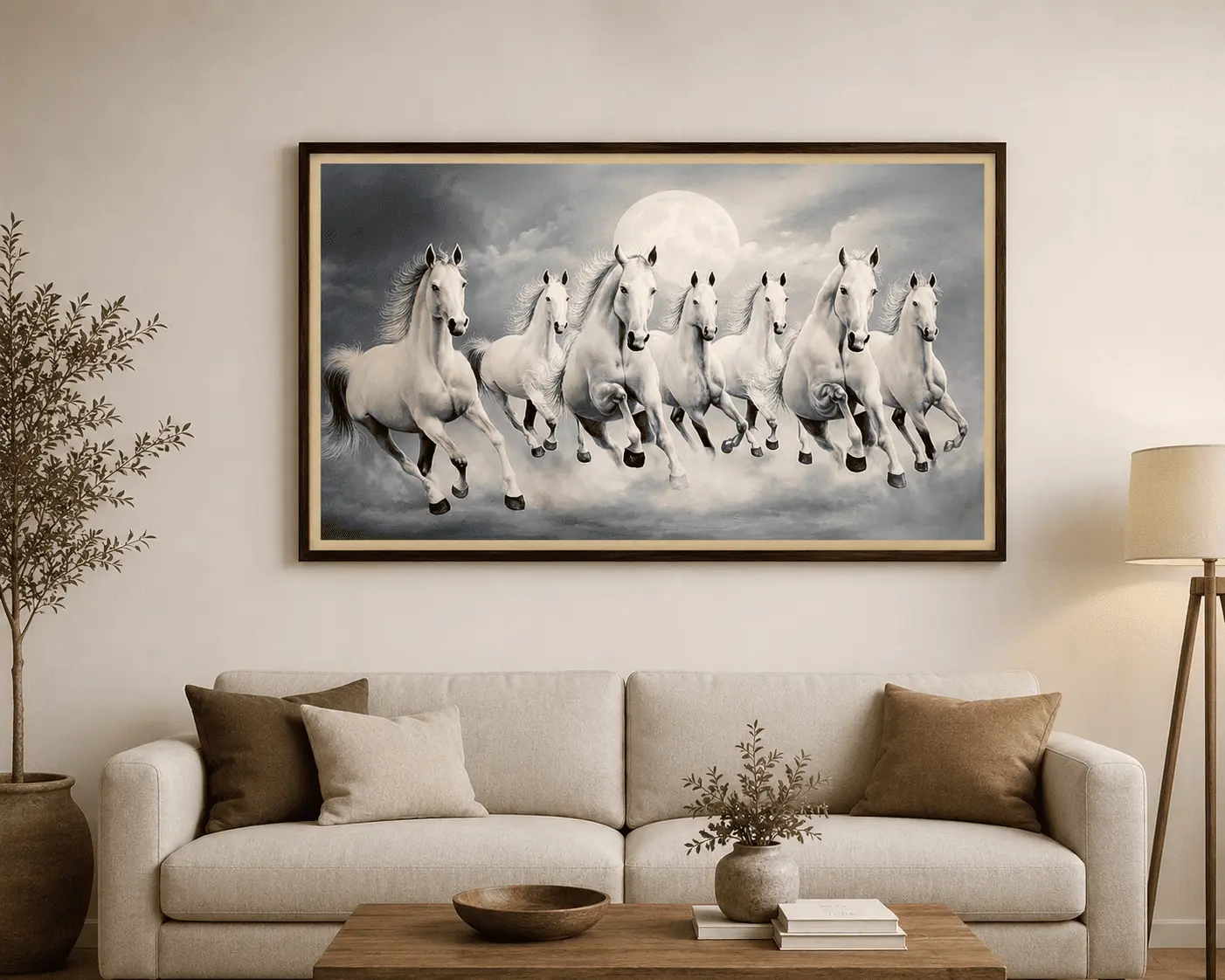
Why oil paintings are valued so highly is a fair question, because acrylic, watercolor and pastel can all produce beautiful work. The short answer is that oil paint behaves in a way that rewards a slow, careful artist, and the results have held up in museums for centuries. It is not a magic material, and it has real limits, so this guide gives you both sides before you decide what to hang on your wall.
The short version:
- Oil stays wet longer than many paints, so artists can blend and rework.
- Thin transparent layers give oil its glow, and thick paint gives it texture.
- Oil was the main painting medium in Europe for several centuries, so conservators know it well.
- It can still crack and yellow with age, so care matters.
- The medium does not set the price. The artist, size, detail and condition do.
Why oil paintings are valued: what oil does well
Time to blend and correct
Oil paint dries by slowly reacting with air, not by evaporating. It is usually dry to the touch within about two weeks, though some colours dry within days. In practice this means the paint stays workable much longer than most media. An artist can blend a shadow into a highlight, soften an edge or remove and redo a passage while the paint is still wet. This is the quality painters mean when they talk about oil's "open time".
Glow from layers
Old masters often built a picture in thin, transparent layers called glazes, which let light pass through and bounce back. Art historians credit this layering for oil's luminous look. Our short timeline, Old Art, New Ideas: The Story of Oil Painting, shows how artists from van Eyck to the Impressionists used it.
Texture you can see
Oil can be thin and smooth, or piled on with a brush or palette knife. This thick application is called impasto. It leaves ridges that catch real light from the side, so the painting looks different as the day moves. This is also one of the easiest ways to tell a hand-painted work from a print. Our buyer's guide to oil paintings online explains how to check.
How long does an oil painting last?
A well-made oil painting that is cared for can last for centuries, and many do. But "without fading or cracking" is not a fair promise. As an oil painting ages, the paint layer hardens and loses flexibility, while the canvas or panel keeps expanding and contracting with changes in humidity and temperature. The rigid paint can then crack. This fine network of cracks is called craquelure, and it is a normal part of ageing in old paintings. Painters also follow a rule called "fat over lean", meaning each new layer should contain more oil than the one below, because the opposite can cause cracking and peeling. Linseed oil, the most common oil, also yellows as it dries, which is why some artists use other oils in white paint.
Good conditions slow all of this down. Keep the painting out of direct sun and away from damp walls, and avoid large swings in humidity and heat. Do not rely on any seller who tells you a painting will never change.
Oil and acrylic: an honest comparison
The old version of this article implied that oil wins on durability. The truth is more mixed. Conservators know oil's long record well. Acrylic emulsion paints are newer, in use by artists since the late 1950s, and a Tate review notes that very few conservation studies of them have been published. At the same time, acrylics are credited with resisting yellowing and staying flexible, while oils have the harder surface and handle cleaning and solvents better, according to one paint-conservation review. Comparing the two is, as that review puts it, a bit like comparing apples and oranges.
| Question | Oil | Acrylic |
|---|---|---|
| Working time | Long, easy to blend | Short, sets quickly |
| Track record | Centuries of conservation experience | Since the late 1950s, fewer studies |
| Ageing risks | Cracking, yellowing | Dirt pick-up, some clear media yellow |
| Best for | Rich blends, glazes, thick texture | Quick, bold, flexible work |
For the full comparison, read oil painting vs acrylic.
Skill, value and prestige: what is true
Oil is demanding. It takes time to learn how layers dry and combine, so a strong oil painting does usually show real skill. But skill shows in the painting, not in the medium's name, and a weak oil painting is still weak. Likewise, oil was the most common technique for painting on canvas and panel for several centuries, which explains its place in museums. That history does not mean every oil painting is valuable.
The price of a painting depends mostly on the artist, size, detail, condition and, for older works, provenance, not on the medium alone. Buy a painting because you enjoy living with it. Be wary of any seller who promises that a painting will rise in value.
Caring for an oil painting at home
Because oil can crack and yellow with age, a few habits protect it. Hang it away from direct sunlight, damp walls and heat sources such as a stove or an air conditioner outlet. Keep humidity and temperature as steady as you can, since big swings make the canvas move and stress the paint. Dust it gently with a soft dry brush, and never use water or household cleaners. Do not press or touch the paint surface. If you see flaking or lifting paint, stop and ask a professional conservator before doing anything yourself.
Questions to ask before you buy
- Is it hand-painted oil on canvas, and who painted it?
- Can you send close-up photos of the surface, edges and back?
- Has the paint fully dried, and has the painting been varnished yet? Varnish is normally applied only after oil paint has cured for months.
- What are the exact dimensions, and how will it be packed?
Myths and confusions
- "Oil paintings never fade or crack." They can crack and yellow with age, and they need care.
- "Oil is always better than acrylic." It is better for some looks and worse for others. Acrylic has its own strengths.
- "An oil painting is an investment." Value depends on the artist and the market. Do not buy with that expectation.
- "Oil means high skill." It means a demanding medium. Look at the painting itself.
Choosing an oil painting you will enjoy
If you like rich colour, depth and real texture, oil is a very good choice for a long-lived piece in your home. Ask whether the painting is hand-painted oil on canvas, ask for close-ups of the surface, and check the size against your wall. For a subject that shows off oil's strengths, look at the 7 horses oil painting and see how thick paint builds the manes and light.
When you are ready, browse our original handmade oil paintings or read more in the Oil Paintings knowledge hub. For background on how oil paint behaves, see the Wikipedia overview of oil painting.
Frequently Asked Questions
Why are oil paintings so valued?
Oil paint stays workable for a long time, so artists can blend and refine, and it builds glowing layers and real texture. Oil was also the main painting medium in Europe for centuries, so conservators know it well. But value depends mostly on the artist, size, detail and condition, not the medium alone.
How long do oil paintings last?
A well-made oil painting that is cared for can last for centuries. Over time the paint hardens and can develop fine cracks called craquelure, and linseed oil can yellow. Keep it out of direct sun and damp, avoid big changes in humidity and heat, and dust it gently with a soft dry brush.
Do oil paintings crack?
Yes, with age they often do. The paint layer loses flexibility while the canvas or panel keeps expanding and contracting with humidity and temperature. Painting each layer with more oil than the one below, known as fat over lean, helps reduce the risk. Stable conditions at home slow the process.
Is oil better than acrylic?
Neither is better in every case. Oil offers long working time, soft blends and rich glazes. Acrylic dries quickly, stays flexible and resists yellowing, but has been used by artists only since the late 1950s, so there are fewer long-term studies. Choose by the look you like and how you will care for it.
Is an oil painting a good investment?
Do not count on it. A painting's value depends on the artist, market, condition and provenance, and the medium alone does not guarantee growth. Buy an oil painting because you want to live with it, and be careful with any seller who promises that it will rise in value.