The history of oil painting is longer than most people think. It did not begin in a Renaissance studio. The oldest known surviving oil paintings are Buddhist murals made around 650 AD in Bamiyan, Afghanistan, and from there the medium travelled through Europe, changed with each century and is still in use today. This guide follows the history of oil painting by period, then explains the techniques and famous paintings that made it what it is.
The short version: oil paint is pigment mixed with a drying oil such as linseed oil. It dries slowly, so artists can blend, layer and rework. That single quality shaped five centuries of painting.
Before the Renaissance: the early history of oil painting
Many people assume oil painting began in Europe. Art historians say otherwise. The Bamiyan murals (about 650 AD) are the oldest known examples, and their materials suggest that oil paint had been used in Asia for some time before that. In Europe, a medieval treatise from about 1125, written by an author known as Theophilus, describes painting with oil on sculpture, woodwork and outdoor objects. For centuries, then, oil was a craft material. It had not yet become the main way to paint a picture.
The 1400s: van Eyck and the Early Netherlandish painters
Jan van Eyck (died 1441) is often called the inventor of oil painting. He was not. He and painters such as Robert Campin, working in the early to mid-15th century, made oil the usual medium for detailed panel paintings and refined the use of glazes, thin translucent layers that give colour a glow. His portraits show remarkably close observation of small details, from fabric to reflections. Famous works include the Ghent Altarpiece, completed in 1432, and the Arnolfini Portrait.
The Renaissance: oil reaches Italy
Oil travelled south, reaching Venice in the late 15th century. Venetian painters also began using canvas in place of wooden panels. By around 1540, tempera on panel (paint made with egg yolk) had all but disappeared. Leonardo da Vinci (1452 to 1519) layered oil very thinly in the Mona Lisa, an oil painting on a wooden panel, and blended it so softly that brushstrokes are hard to see. The soft shading around her eyes and mouth is called sfumato.
The Baroque: drama and light
In the 1600s, painters pushed light and shadow further. Caravaggio (1571 to 1610) worked in oil on canvas, often directly from live models, and made strong contrast of light and dark, known as chiaroscuro, the signature of his style. His sharpest form of it, with few mid-tones, is called tenebrism. Rembrandt (1606 to 1669) used a more personal, subtle version in the Dutch Golden Age. Oil's slow drying and deep darks made both approaches possible.
The 1800s: paint tubes and Impressionism
In 1841 the American portrait painter John Goffe Rand invented the squeezable metal paint tube. Artists could now carry paint outdoors. The Impressionists held their first group exhibition in Paris in April 1874, and the name came from Claude Monet's 1872 oil painting Impression, Sunrise. They used short, broken strokes of colour to catch changing light. Up close, the paint looks like a scatter of marks. From a distance, it becomes water or sunlight.
The 1900s: abstraction
Jackson Pollock poured and dripped paint across huge canvases between 1947 and 1950, in a style the critic Harold Rosenberg later called "action painting". A common mistake is to call these oil paintings. Pollock mostly used alkyd enamels and household paints. Many other 20th-century painters did use oil, and artists such as Gerhard Richter still do.
How artists paint in oil: techniques that shaped the history
Underpainting
Many classical painters began with an underpainting, a first layer that maps out light and dark. It is often grey (called grisaille) or an earth brown tone (imprimatura). It helps the painter judge tone before adding colour.
Glazing
A glaze is a thin, transparent layer of paint laid over a dry layer. It works a little like a tinted filter, and gives the colour beneath a glow. Early Netherlandish painters such as van Eyck made this technique famous.
Impasto
Impasto means applying paint thickly, with a brush or palette knife, so the strokes stand up from the canvas. It is not a modern invention. Giovanni Bellini's late works, around 1500, are among the earliest examples, and Titian left visible brushstrokes in the 16th century. Impressionists and later painters used it freely. It is the easiest way to tell a hand-painted oil from a print, as our buyer's guide to oil paintings online explains.
Famous oil paintings you may know
- Mona Lisa by Leonardo da Vinci: oil on panel, known for sfumato.
- The Arnolfini Portrait by Jan van Eyck: an early example of detailed Netherlandish oil painting.
- The Starry Night by Vincent van Gogh (1889): oil on canvas, bought by the Museum of Modern Art in New York in 1941.
One famous picture is often wrongly listed here. The Scream by Edvard Munch exists in several versions in different media. The Munch Museum in Oslo lists a version in tempera and oil on cardboard, a crayon drawing and six lithographs, so it is not simply "an oil painting".
The history of oil painting at a glance
| Period | Key development | Names |
|---|---|---|
| About 650 AD | Oldest known surviving oil paintings (Bamiyan murals) | Unknown artists |
| 1400s | Oil becomes the usual medium for detailed panels; glazing refined | Jan van Eyck, Robert Campin |
| Late 1400s to 1500s | Oil and canvas spread through Venice and Italy | Leonardo da Vinci, Bellini, Titian |
| 1600s | Dramatic light and shadow | Caravaggio, Rembrandt |
| 1800s | Paint tubes (1841) and Impressionism (first exhibition 1874) | Claude Monet |
| 1900s | Abstraction and new paints | Jackson Pollock, Gerhard Richter |
What this history means when you buy a painting
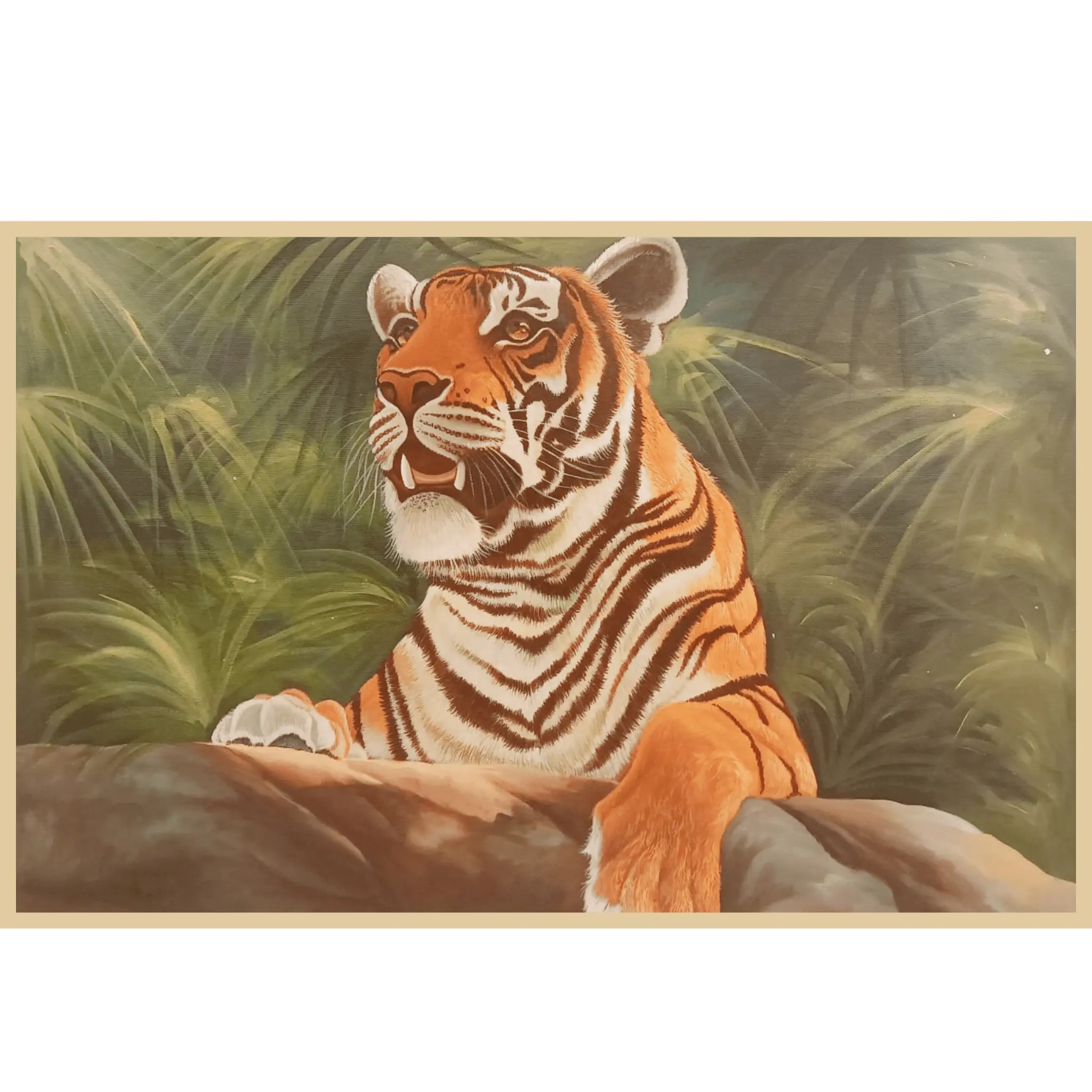
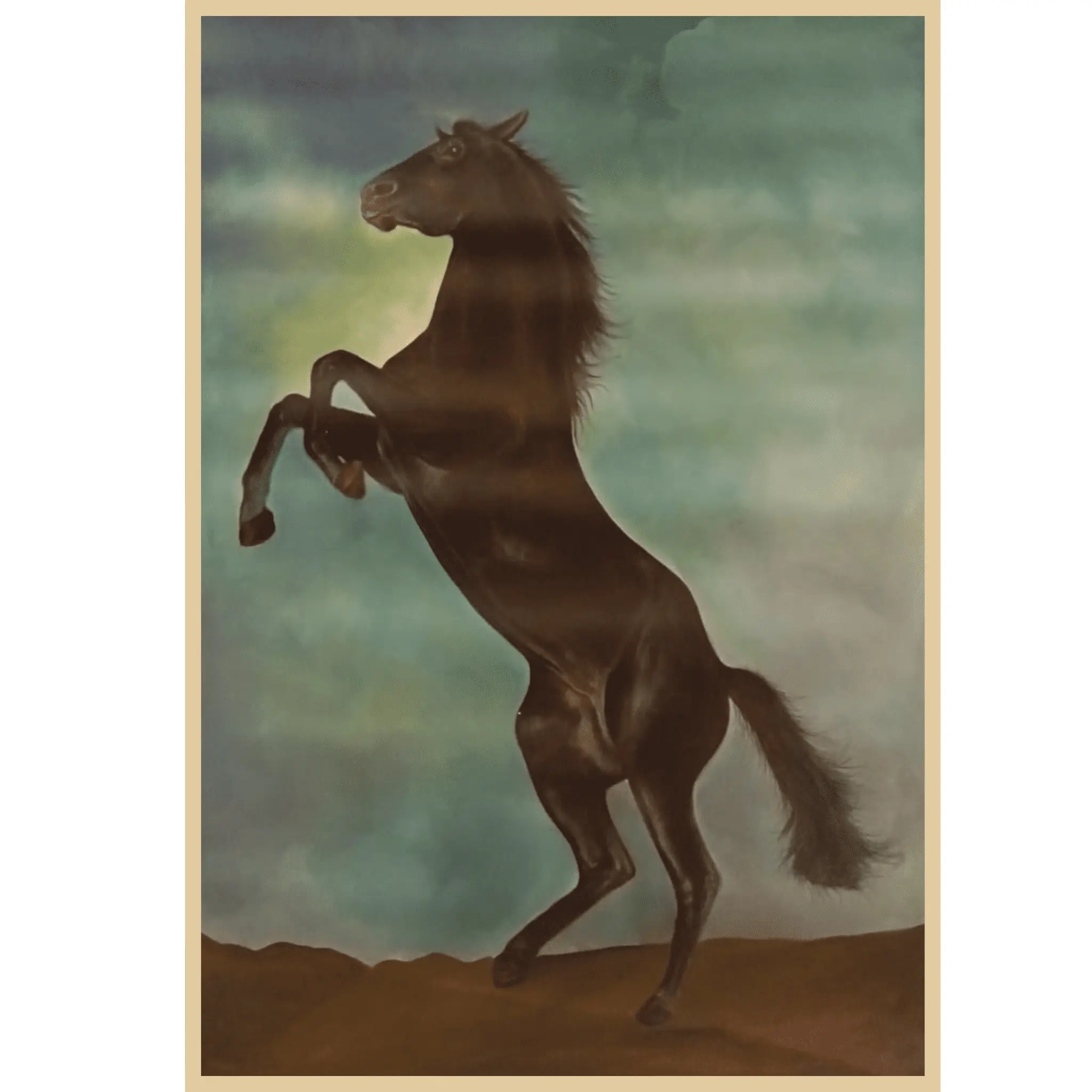
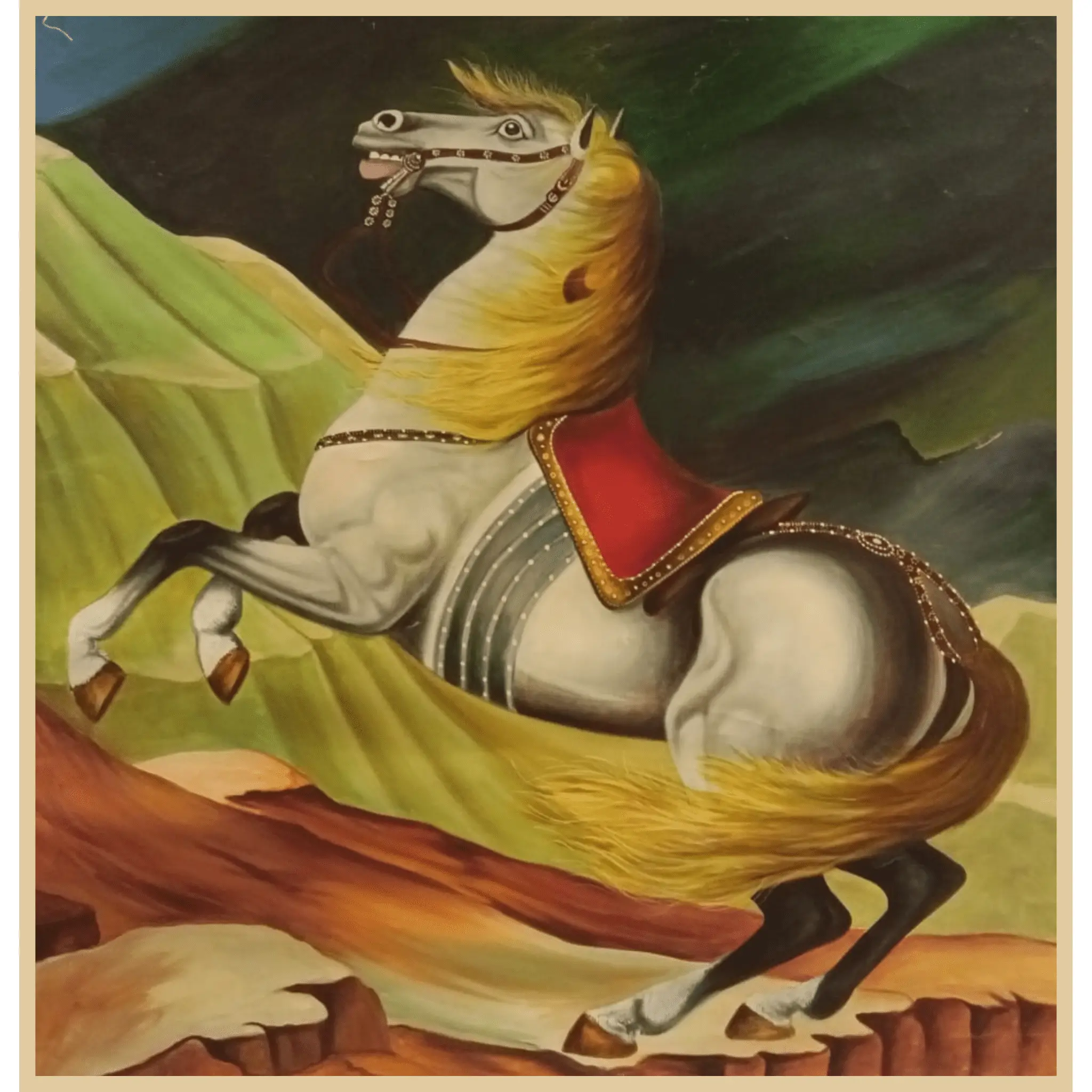
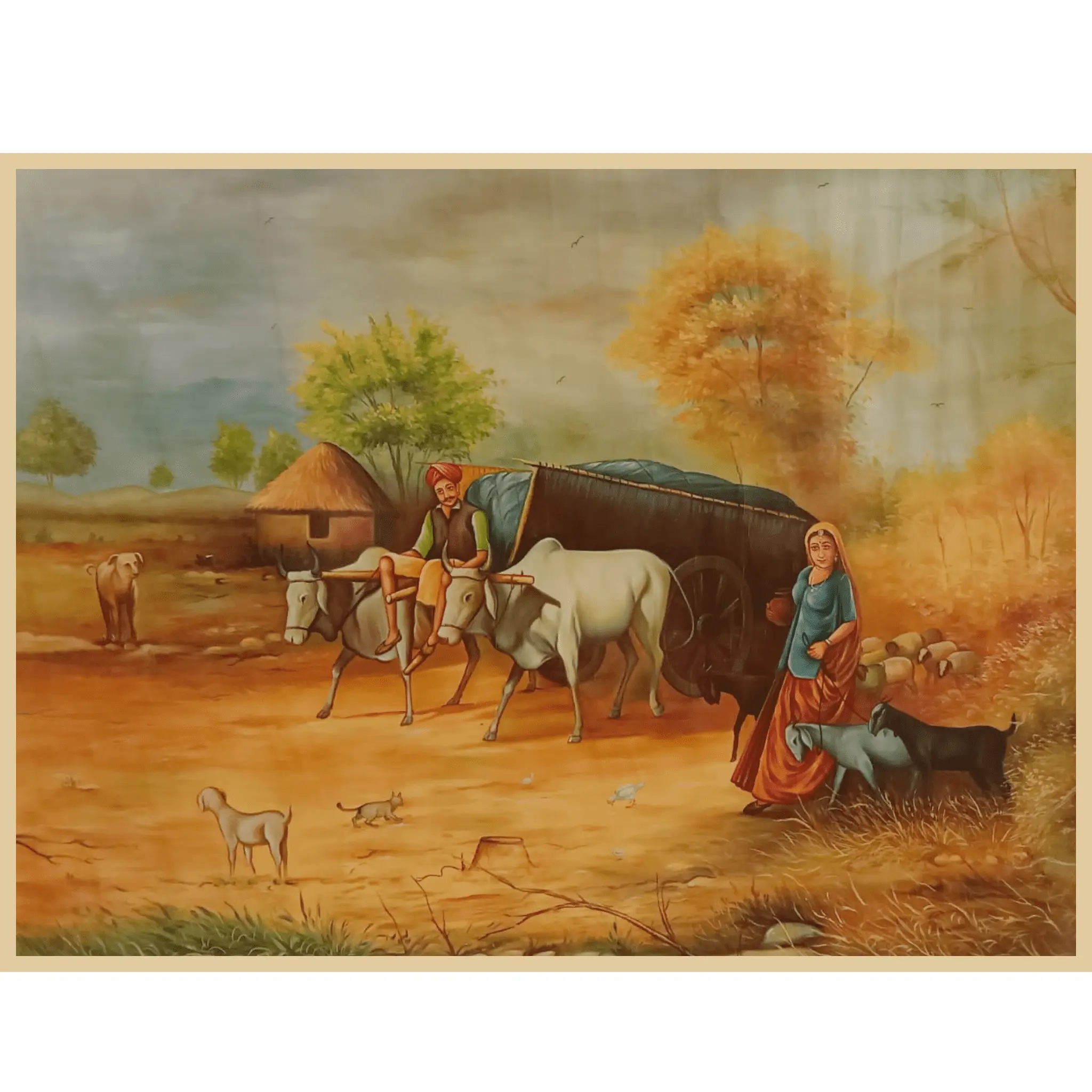
Everything above is visible in a hand-painted oil painting today. Thin glazes give colour depth, thick strokes of impasto catch light, and the surface changes as the light in your room changes. When you look at a painting online, ask for close-ups of the brushwork, because that texture is what separates real oil paint from a printed copy.
Common confusions about the history of oil painting
- "Van Eyck invented oil painting." No. Oil was in use earlier, and he helped make it the usual medium.
- "Impasto is a modern technique." No. It dates back to around 1500.
- "Pollock's drips are oil." Mostly enamel and household paint.
- "Oil dries in days." It is usually dry to the touch in about two weeks, though some colours dry within days, and it needs months to cure fully.
- "The Scream is an oil painting." It exists in several media.
Why oil painting still matters
Oil paint stays workable longer than many other paints, so artists can blend, change their minds and build depth in layers. Many painters still choose it for that reason, and many buyers like the visible brushwork and the way a painting changes as light moves. To see how oil compares with other paints, read oil painting vs acrylic and why oil paintings are still valued. For a shorter story that also covers oil painting in India, see Old Art, New Ideas.
If you would like to own a piece of this tradition, browse our original handmade oil paintings or read more in the Oil Paintings knowledge hub. You can read more about the medium on the Wikipedia page on oil painting.
Frequently Asked Questions
When did oil painting begin?
The oldest known surviving oil paintings are Buddhist murals made around 650 AD in Bamiyan, Afghanistan. In Europe, a treatise from about 1125 describes oil painting on sculpture and woodwork. Early Netherlandish painters such as Jan van Eyck made it the usual medium for panel paintings in the early to mid-1400s.
What is the difference between glazing and impasto?
Glazing means laying thin, transparent layers of paint over a dry layer to build glow and depth. Impasto means applying paint thickly, often with a palette knife, so brushstrokes stand up from the canvas. Early Netherlandish painters made glazing famous, and impasto appears in works from around 1500.
What is an underpainting?
It is an initial layer that maps out light and dark before colour is added. It is often grey, called grisaille, or an earth brown, called imprimatura. It helps the painter judge tone correctly, and the colours added on top can be built up over it in thin layers.
Which famous paintings are oil paintings?
The Mona Lisa is oil on a wooden panel, and Van Gogh's The Starry Night (1889) is oil on canvas. Not every famous picture is oil, though. Munch's The Scream exists in several media, including tempera and oil on cardboard, crayon and lithographs, and Pollock's drip paintings mostly used enamel.