
Mughal Paintings PDF – Free Download | History, Features & UPSC Notes
Download free, concise and exam-oriented Mughal Paintings notes in PDF format. Perfect for UPSC, state PSCs, and school exams — includes origin, features, major painters, famous examples and quick revision points.
⬇ Download Mughal Paintings PDF (Free)PDF includes: origin & evolution · key features · major painters · famous paintings · UPSC-focused notes · comparison with Rajput paintings.
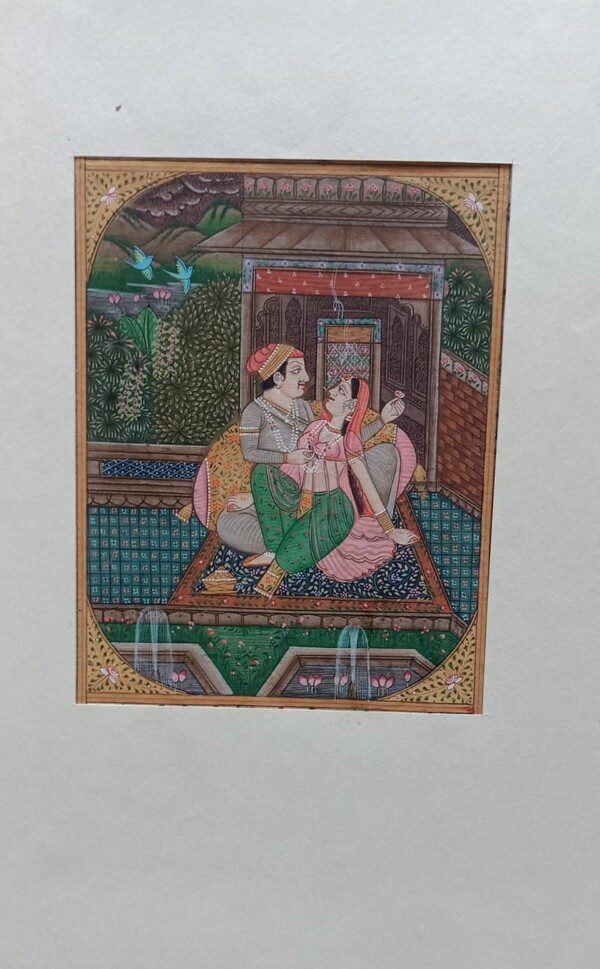
What Are Mughal Paintings? (Easy Explanation)
Mughal paintings are miniature artworks developed under the Mughal emperors (16th–18th centuries). They were primarily made for manuscripts, royal chronicles, portraits and court scenes. These artworks mix Persian techniques with Indian motifs and often focus on realistic portraiture, court life, animals and floral motifs.
Download: Mughal Paintings PDF (Quick Notes)
Use the PDF for quick revision. The file is simplified and curated for exam use.
Origin & Evolution of Mughal Miniature Paintings
- Humayun — brought Persian painters Mir Sayyid Ali & Abdus Samad.
- Akbar — established large royal workshops (karkhana).
- Jahangir — emphasized realism and detailed portraiture.
- Shah Jahan — introduced more decorative and luxurious designs.
- Aurangzeb — decline of royal patronage; artists moved to Rajasthan & Deccan.
Key Features (UPSC-Focused)
- Blend of Persian and Indian styles
- Realistic portraiture & naturalism
- Use of mineral colours, gold & silver
- Subjects: darbar, hunting, battles, royal life
- Delicate borders, floral motifs & very fine brushwork
Major Painters (Short List)
Mir Sayyid Ali · Abdus Samad · Basawan · Bishandas · Ustad Mansur · Manohar
Famous Mughal Paintings (Examples)
- Akbar Hunting Lion
- Jahangir Preferring a Sufi Shaikh
- Falcon on a Bird Rest (Ustad Mansur)
- Portrait of Shah Jahan
- Birth of Prince Salim
Mughal Paintings vs Rajput Paintings
| Mughal Paintings | Rajput Paintings |
|---|---|
| Persian + Indian fusion; realistic | Purely Indian; symbolic & devotional |
| Court scenes, portraits | Mythology, romance, local themes |
| Naturalistic colours, gold detailing | Flat bold colours, emphasis on narrative |
UPSC-Important Quick Points
- Remember the sequence: Humayun → Akbar → Jahangir → Shah Jahan → Aurangzeb.
- Akbar: Hamzanama, Akbarnama, Razmnama projects.
- Jahangir: emphasis on naturalism; painters like Ustad Mansur famous for fauna studies.
- Shah Jahan: decorative, luxurious motifs; more use of gold.
FAQs (Quick)
Is the PDF free to download?
Yes — the PDF is free and optimized for quick revision.
Can I use these notes for school exams?
Yes — these notes are suitable for school, UG and competitive exams as concise revision material.
Conclusion
This downloadable PDF and the notes on this page are designed to give you a quick, clear and exam-focused understanding of Mughal paintings. Use the PDF for offline revision and keep this page bookmarked for quick reference.