




Mughal Paintings History – Complete Notes for UPSC (With Images & Examples)
Mughal paintings are one of the most important topics in Indian Art & Culture for UPSC Prelims and Mains (GS‑1). These paintings flourished under the Mughal emperors from the 16th to 18th centuries and represent a fusion of Persian, Indian, and Central Asian styles. This blog covers their history, features, major painters, examples, and exam‑oriented notes.
What are Mughal Paintings?
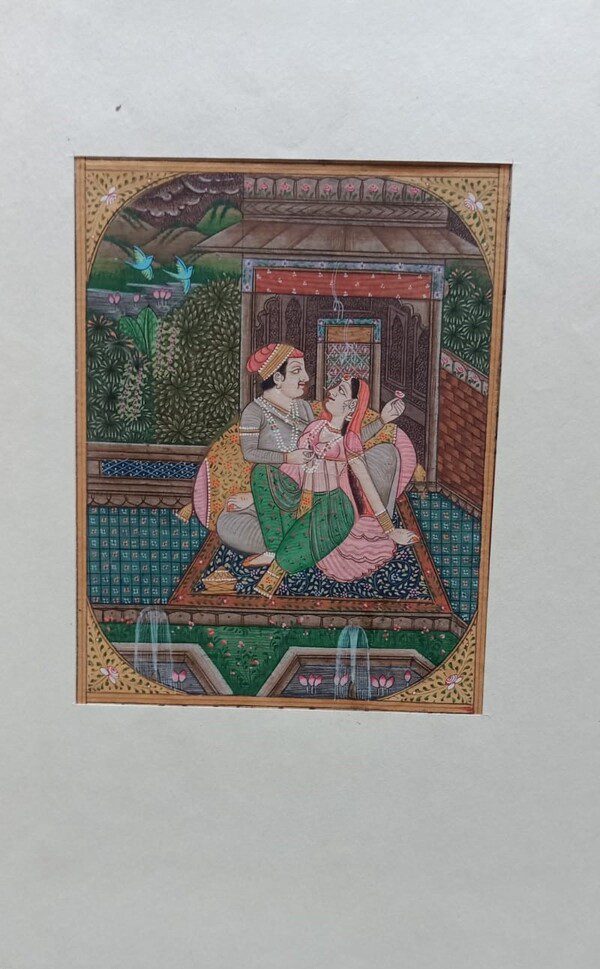
Mughal paintings are miniature paintings developed during the Mughal Empire. They were created mainly for manuscripts, royal chronicles, portraits, and court scenes.
Origin & Evolution of Mughal Paintings
- Introduced by: Mughal Emperor Humayun (returned from Persia with Persian painters – Mir Sayyid Ali & Abdus Samad)
- Golden Age: During Akbar's reign (massive royal workshops established)
- Refinement: Jahangir perfected naturalism & portraiture
- Decline: During Shah Jahan & Aurangzeb (reduced royal patronage)
Key Features of Mughal Paintings (UPSC Notes)
- Blend of Persian + Indian styles
- Use of vibrant colors made from minerals, gold, silver
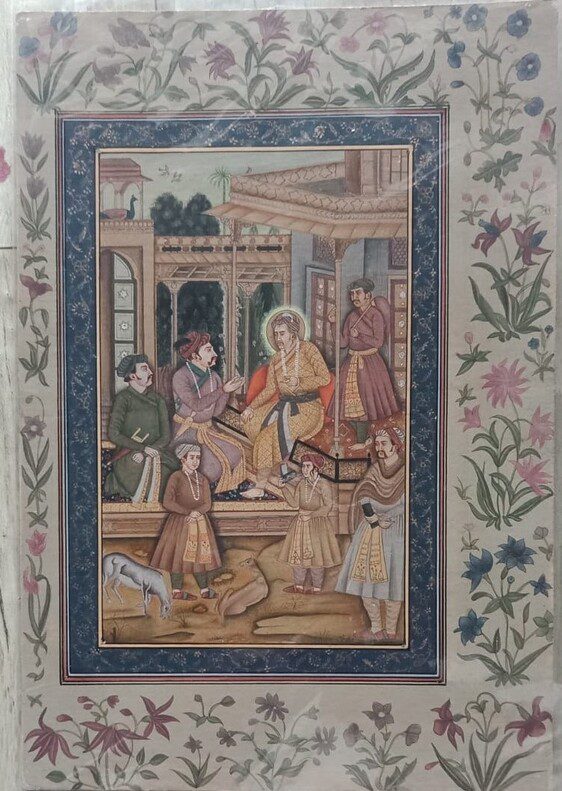
- Portrait and naturalistic depictions of emperors
- Scenes from royal life – darbar, hunting, battles
- Detailed borders, floral patterns, fine brushwork
- No religious (Islamic) restrictions – human figures allowed
Mughal Painting Under Different Emperors
1. Mughal Paintings Under Akbar
Akbar established a huge royal karkhana (workshop). The style became more Indianized. Major projects include:
- Hamzanama – 1,400+ illustrated folios
- Akbarnama – Royal chronicle
- Razmnama – Persian translation of Mahabharata with illustrations
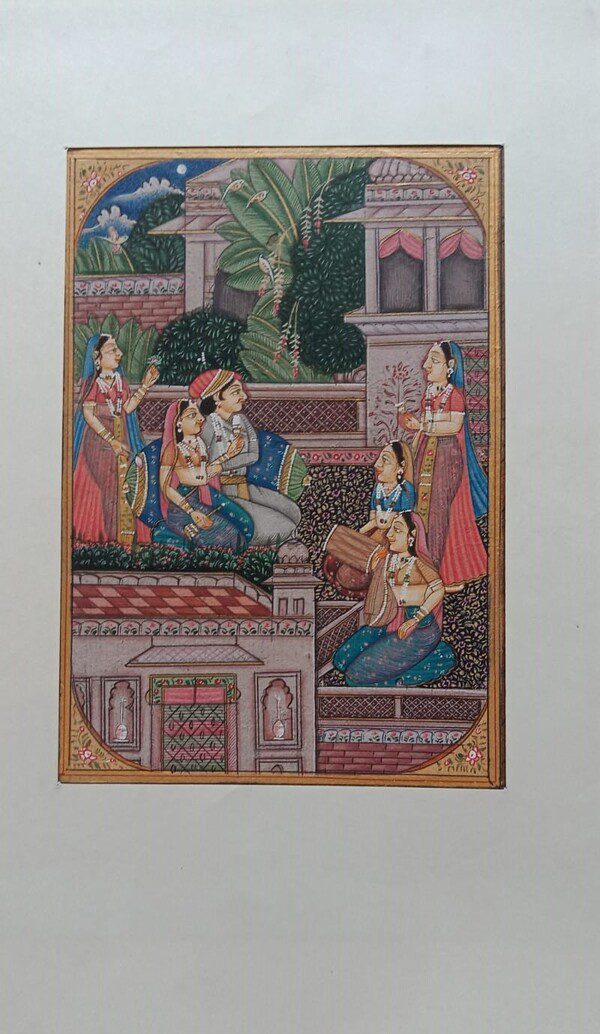
2. Mughal Paintings Under Jahangir
Jahangir was personally interested in art and insisted on realism.
- Naturalism & scientific accuracy
- Masterpieces of birds, flowers, animals
- Portrait painting reached its height
- Use of halo around the emperor
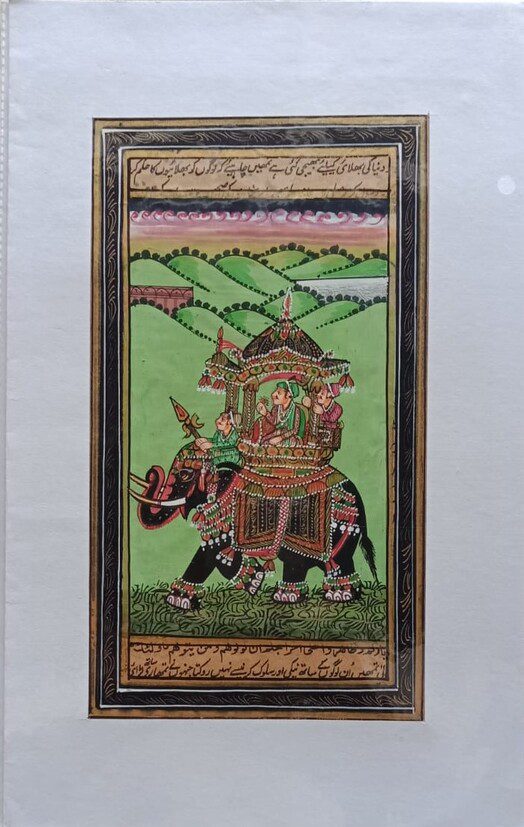
3. Mughal Paintings Under Shah Jahan
- Art became more decorative & luxurious
- Gold & floral designs increased
- Portraits continued but style became more static
4. Mughal Paintings Under Aurangzeb
Due to his religious orthodoxy, the royal karkhanas declined. Many artists migrated to Rajasthan and the Deccan, influencing regional schools.
Major Mughal Painters (UPSC‑Important)
- Mir Sayyid Ali
- Abdus Samad
- Bishandas
- Basawan
- Ustad Mansur (famous for animal studies)
- Manohar
Famous Mughal Paintings & Examples
- Akbar Hunting Lion
- Jahangir Preferring a Sufi Shaikh
- Falcon on a Bird Rest – Ustad Mansur
- Portrait of Shah Jahan
- The Birth of Prince Salim
Mughal Paintings vs Rajput Paintings (UPSC)
| Mughal Paintings | Rajput Paintings |
|---|---|
| Persian + Indian blend | Purely Indian style |
| Realistic, naturalistic | Symbolic, emotional |
| Court scenes, portraits | Mythology, romance |
UPSC Previous Year Questions (PYQs)
- UPSC Prelims 2016: With reference to Mughal paintings, consider the following statements…
- UPSC Mains GS‑1: "Discuss the evolution of Mughal miniature paintings during the 16th‑17th centuries."
Conclusion
Mughal paintings represent the finest artistic achievements of medieval India. They are frequently asked in UPSC exams due to their cultural significance. Understanding their evolution, features, and examples can help you score exceptionally well in Art & Culture.