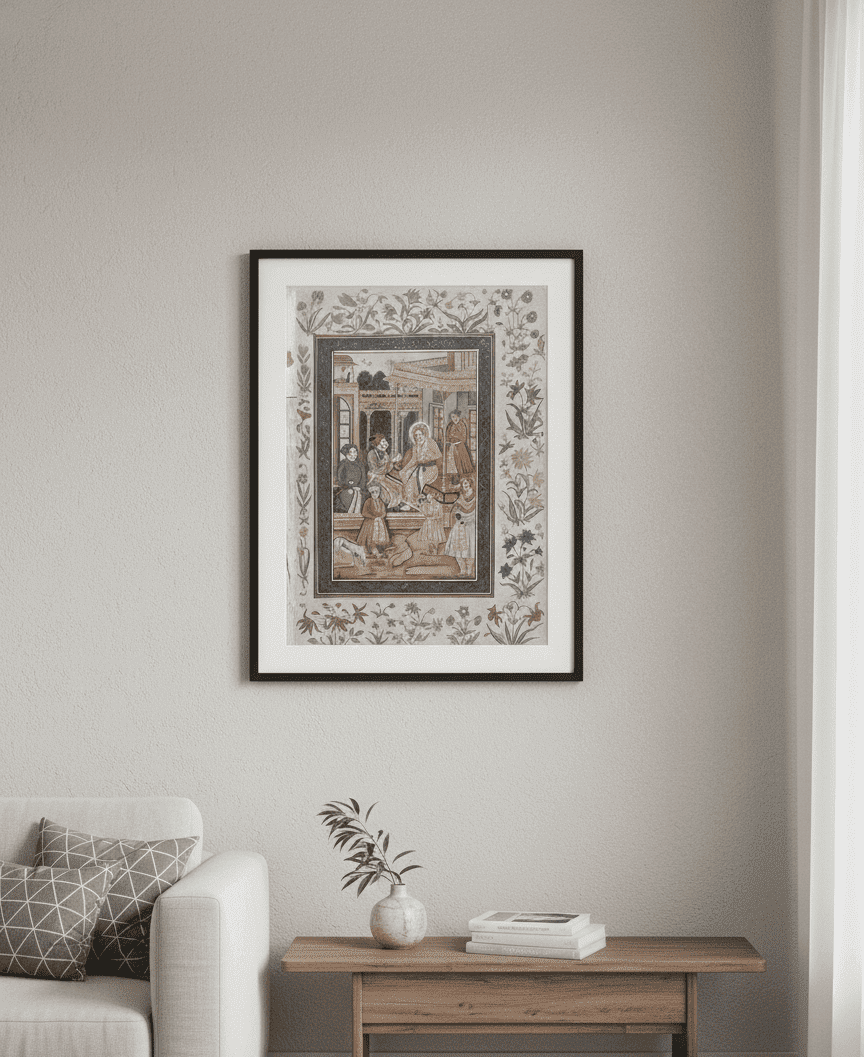
Mughal Empire Painting: Understanding the Art That Shaped India’s Visual Heritage
Table of Contents
Mughal Empire painting holds a unique place in Indian art history. It is known for its fine details, balanced compositions, and the way it blends Persian elegance with Indian sensibilities. These paintings are more than visual records; they are stories of emperors, court life, nature, and cultural refinement.
At Rupasya, we view Mughal paintings not just as historical art forms but as timeless creations that continue to inspire collectors and art lovers today.
This guide explores Mughal Empire painting in a clear and structured way, helping you understand its origins, styles, themes, and lasting appeal.
The Origins of Mughal Empire Painting
Royal Patronage and Artistic Growth
Mughal painting developed under the patronage of Mughal emperors, beginning in the 16th century. Emperors like Akbar, Jahangir, and Shah Jahan actively supported artists and established royal workshops. These ateliers brought together Persian artists and skilled Indian painters, leading to a refined and distinctive painting tradition.
The fusion of Persian techniques with Indian themes gave Mughal Empire painting its unique identity—rich in detail, storytelling, and visual harmony.
Cultural Influences and Evolution
Over time, Mughal painting evolved by absorbing influences from local Indian art forms. Elements such as natural landscapes, realistic portraits, and Indian architectural settings became more prominent. This evolution allowed the art to feel both royal and relatable, historical yet visually engaging.
Key Characteristics of Mughal Empire Painting
Attention to Detail and Realism
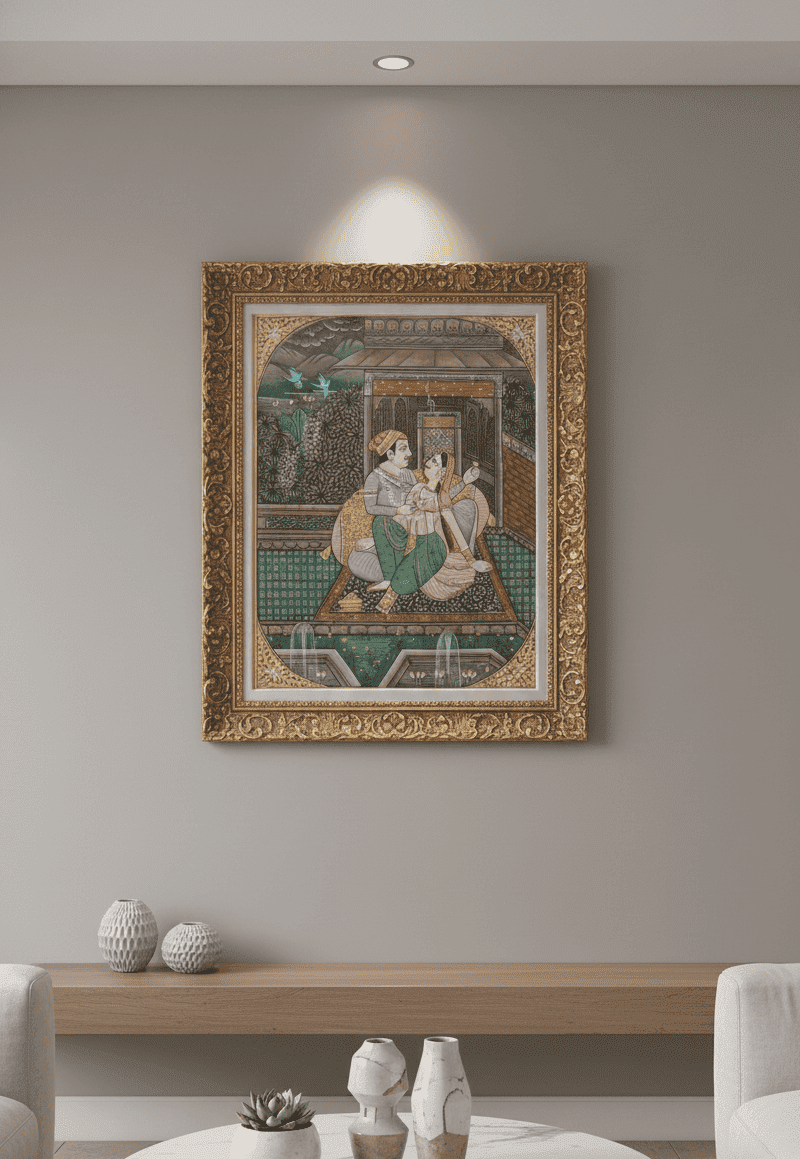
One of the defining features of Mughal Empire painting is its extraordinary attention to detail. Artists carefully depicted facial expressions, clothing textures, jewelry, and architectural elements. Natural realism, especially in animals and plants, became a hallmark of this style.
This precision makes Mughal paintings visually rich and intellectually engaging, inviting viewers to observe every small detail.
Balanced Composition and Perspective
Mughal painters focused on balanced compositions rather than exaggerated movement. Scenes were carefully arranged to guide the viewer’s eye, creating a sense of order and calm. Use of perspective, though subtle, added depth and realism to court scenes and landscapes.
Themes Commonly Seen in Mughal Empire Painting
Court Life and Royal Portraits
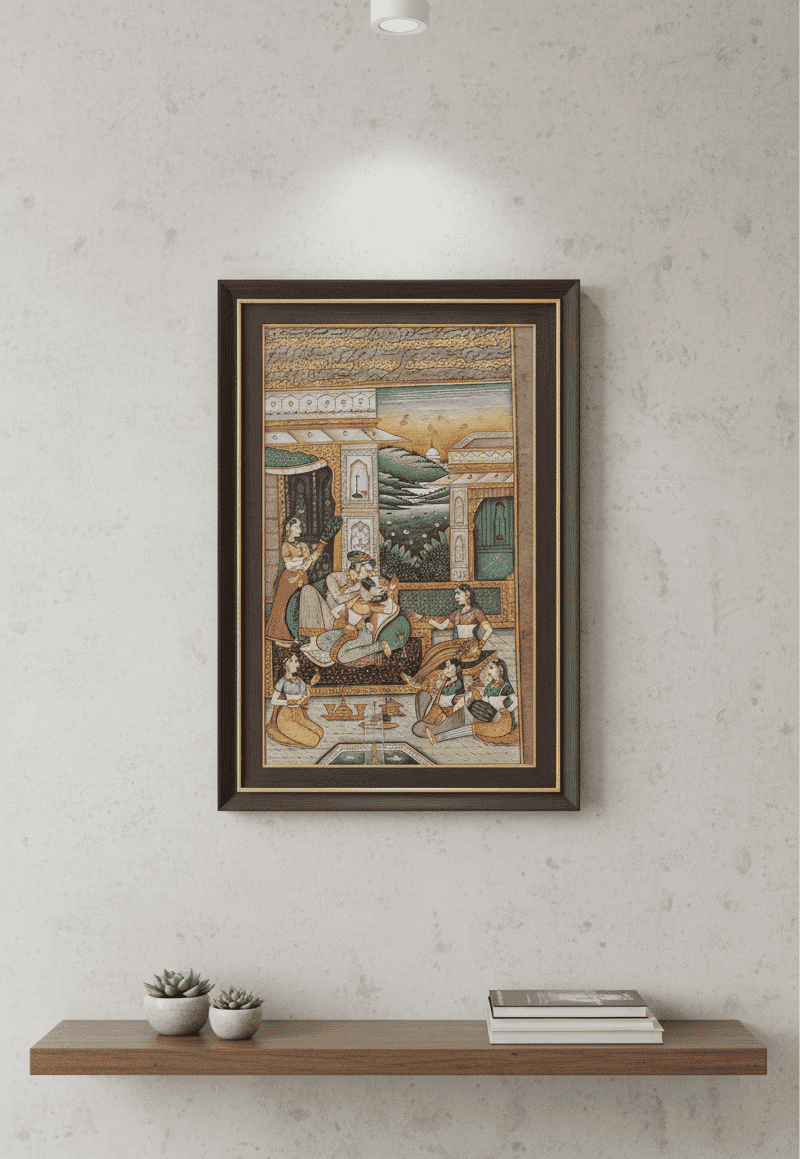
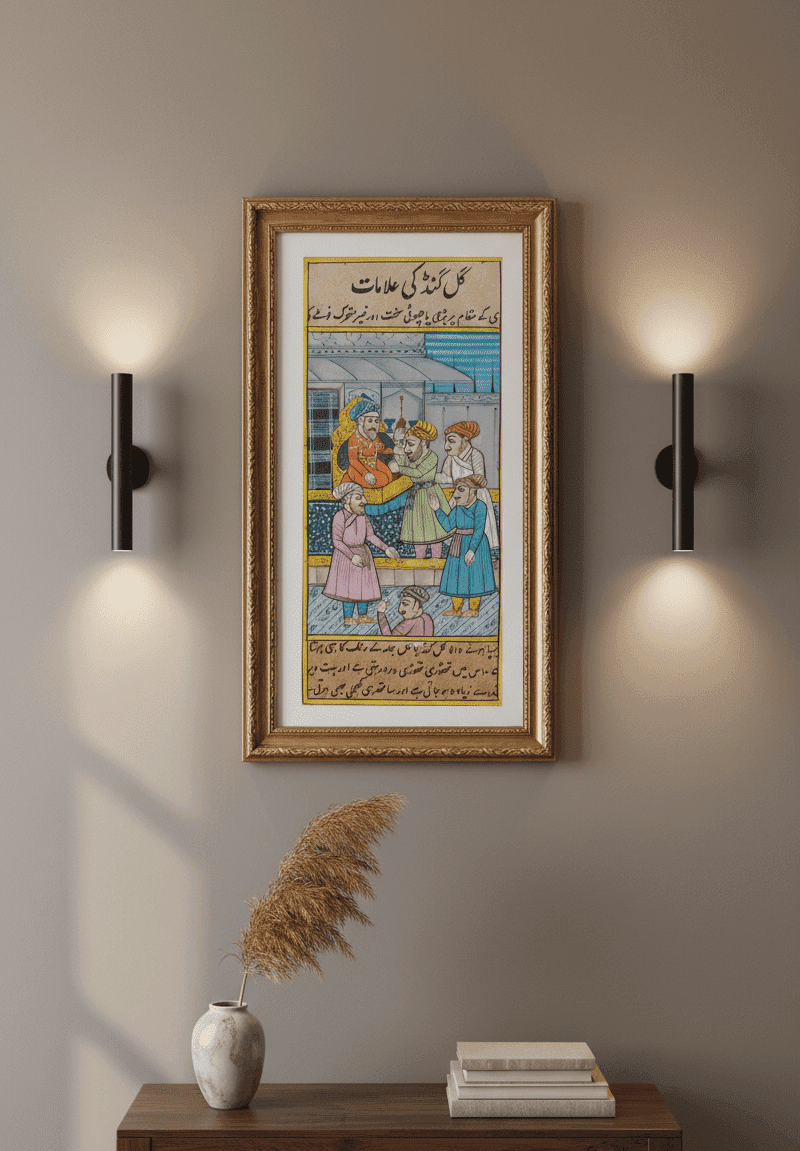
Many Mughal paintings depict emperors, princes, and nobles engaged in courtly activities. These artworks served both artistic and documentary purposes, preserving the image and authority of the ruling class.
Portraits were often idealized yet recognizable, reflecting power, dignity, and refinement.
Nature, Hunting, and Daily Life
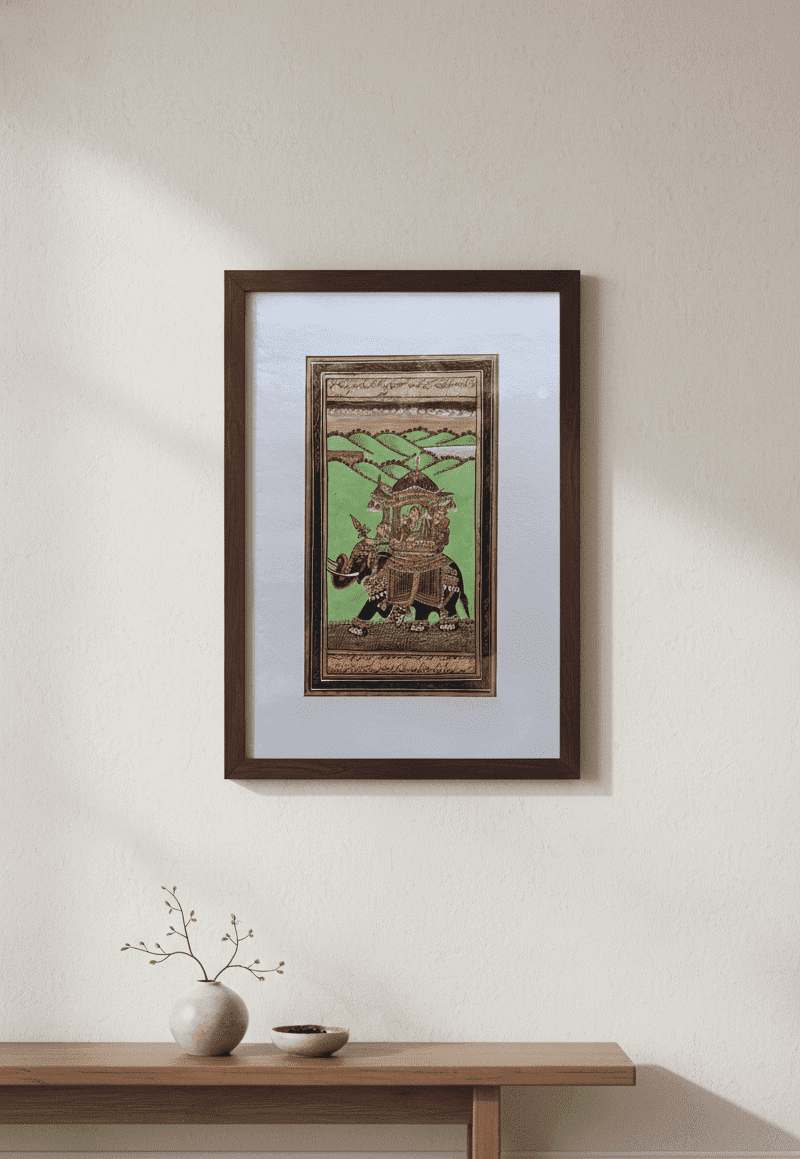
Beyond royal imagery, Mughal Empire painting beautifully captures nature and everyday moments. Hunting scenes, gardens, animals, and seasonal landscapes were popular themes. These paintings reflect the Mughal appreciation for nature, balance, and observation.
Such themes make Mughal paintings visually appealing even to modern audiences.
Materials, Colors, and Techniques
Use of Natural Pigments and Fine Brushes
Mughal artists used natural pigments derived from minerals, plants, and precious stones. Gold and silver were often applied for highlighting details. Extremely fine brushes allowed artists to achieve delicate lines and intricate patterns.
This craftsmanship is one reason original Mughal-style paintings continue to be admired and collected.
Color Harmony and Subtle Contrast
Rather than harsh contrasts, Mughal Empire painting relies on harmonious color palettes. Soft backgrounds combined with rich detailing create depth without overwhelming the viewer. The careful use of color enhances storytelling while maintaining visual elegance.
Mughal Empire Painting in Modern Spaces
Timeless Appeal in Contemporary Interiors
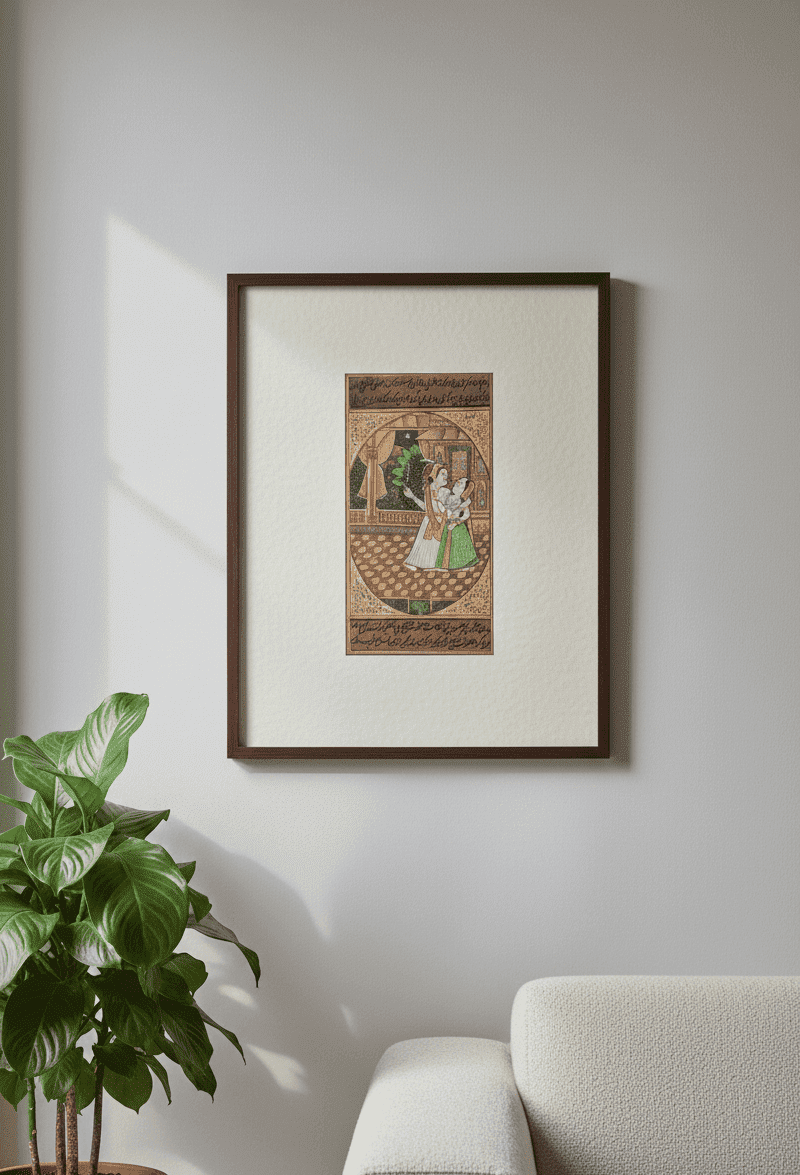
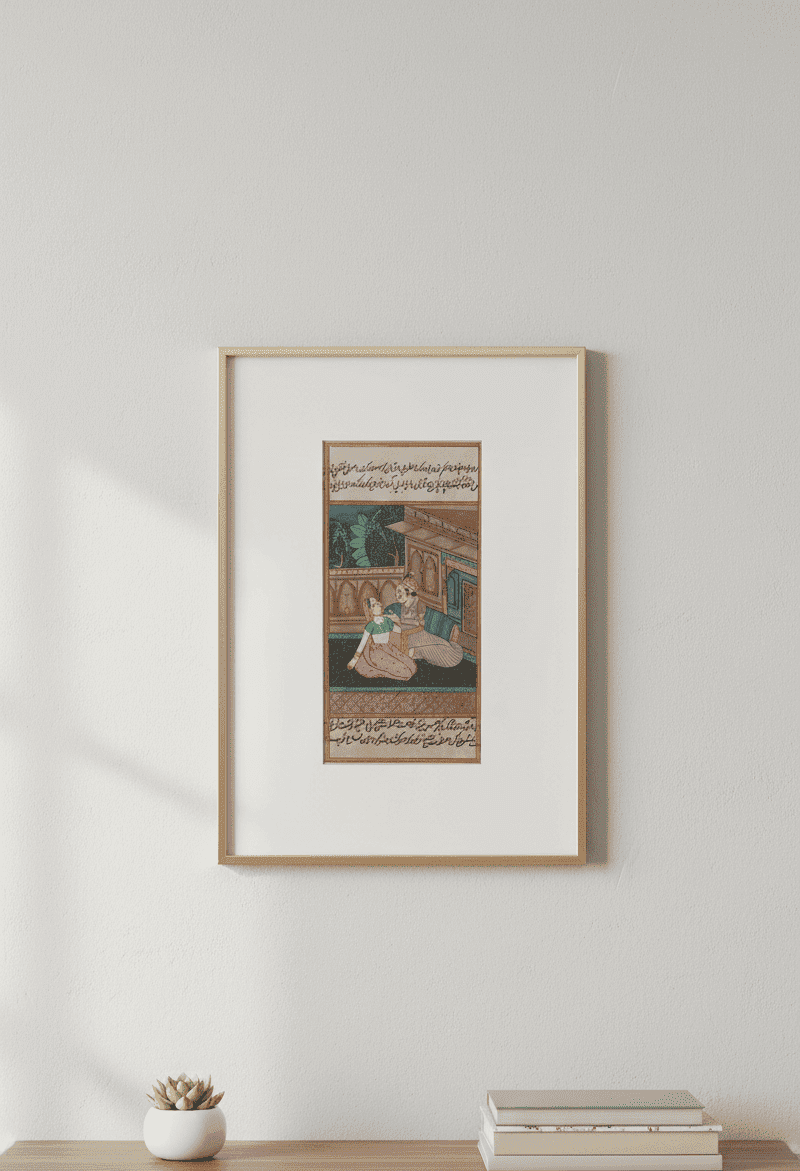
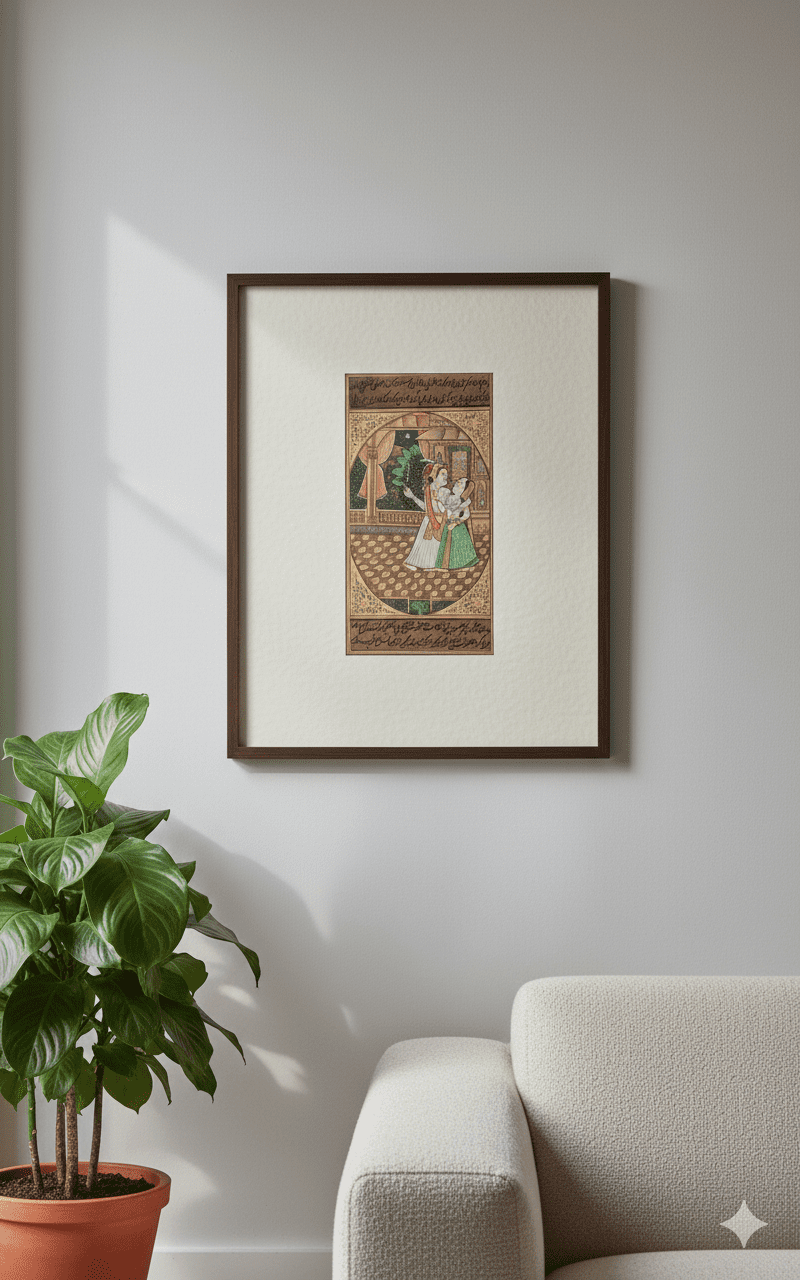
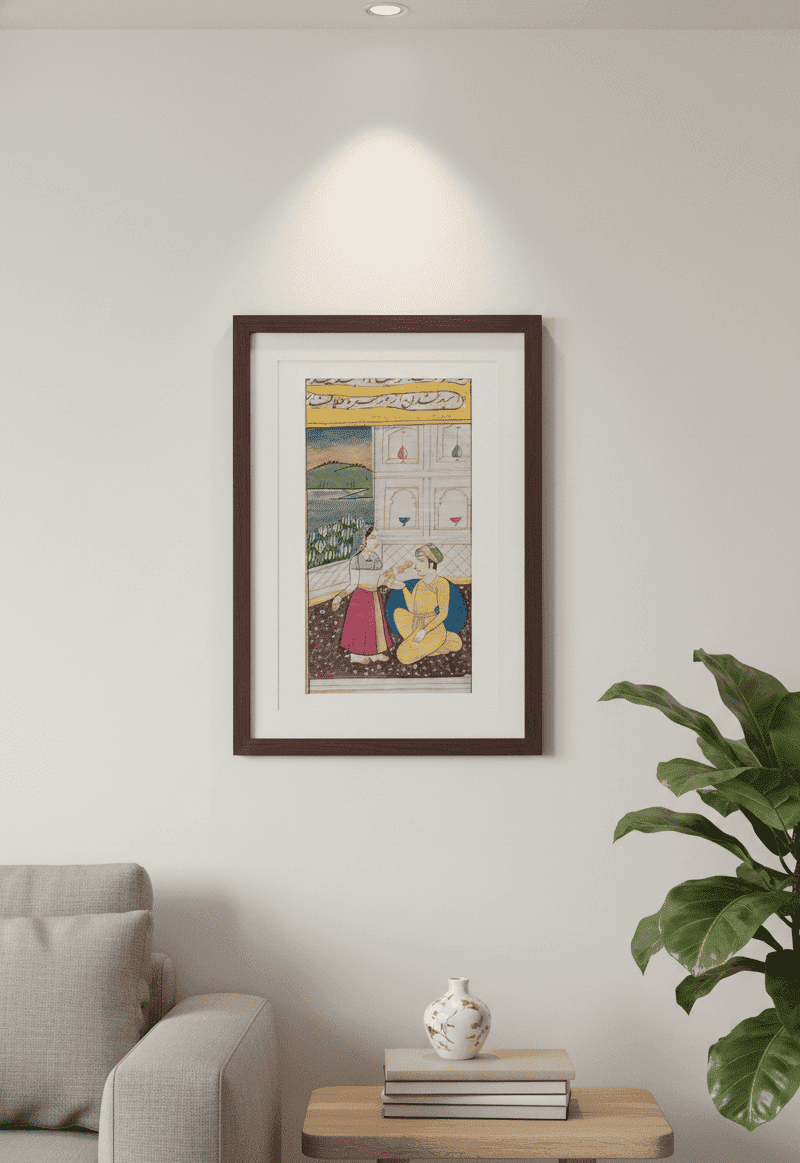
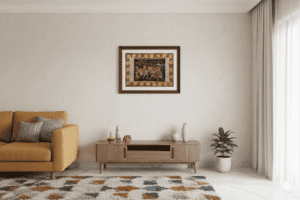
Today, Mughal paintings are valued not only for their historical significance but also for their aesthetic versatility. They complement both traditional and modern interiors, adding depth, culture, and sophistication to living spaces.
Miniature Mughal paintings, in particular, are popular for display in studies, living rooms, and curated art corners.
Collecting and Appreciating Mughal Art
Whether you are an art enthusiast or a first-time collector, Mughal Empire painting offers lasting value. Authentic craftsmanship, historical depth, and visual beauty make these artworks meaningful additions to any collection.
At Rupasya, we celebrate this legacy by curating handmade Mughal-style paintings that honor traditional techniques while remaining relevant to today’s homes.
Preserving the Legacy of Mughal Empire Painting
Care and Display Considerations
To maintain the beauty of Mughal paintings, proper care is essential. Avoid direct sunlight and excessive humidity. Framing with quality materials not only enhances presentation but also protects the artwork over time.
With thoughtful care, Mughal paintings can be enjoyed for generations.
Conclusion
Mughal Empire painting is a reflection of artistic excellence, cultural harmony, and refined storytelling. From royal portraits to detailed nature scenes, these artworks capture a period where art was deeply valued and carefully nurtured.
Understanding Mughal painting allows us to appreciate its timeless relevance and visual richness. Whether admired for history, craftsmanship, or aesthetic appeal, Mughal Empire painting continues to stand as one of India’s most influential art traditions—graceful, detailed, and enduring.