
The Journey of Oil Painting: An Artist’s Oldest Love Story
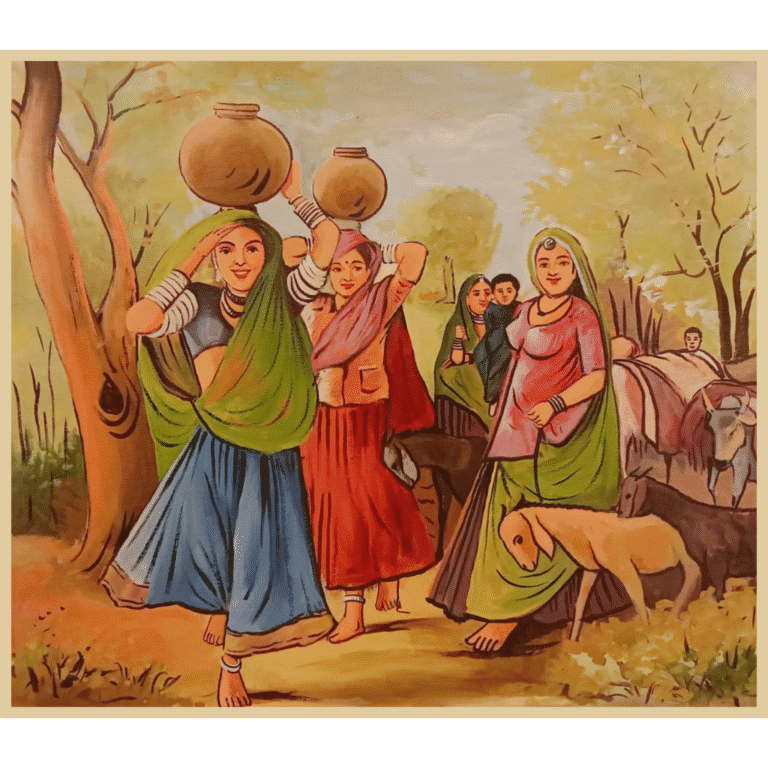
Have you ever looked at an old painting and felt like you could step right into it? That’s the magic of oil painting. For hundreds of years, artists have loved this medium because it lets them play with light, texture, and feeling in a way nothing else can.
Let’s take a simple walk through time to see how this beautiful art form started, grew, and changed into the amazing creations we see today.
How It All Began
A lot of people think oil painting started in Europe, but the truth is, people were experimenting with it much earlier. Think of ancient caves and old temples in Asia and the Middle East. Artists back then were mixing natural oils, like linseed oil from flax seeds, with colored dirt and rocks to make their paint last longer. They were the true pioneers, laying the groundwork for everything that came after.
The Big Bang: The Renaissance
Fast forward to the 1400s, and we meet a man named Jan van Eyck. He wasn’t the first to use oil, but he was the one who perfected it. Imagine being able to paint a single strand of hair or the reflection in a drop of water perfectly. Van Eyck figured out how to do that. His techniques spread like wildfire.
Soon, the Italian masters like Leonardo da Vinci and Raphael got their hands on oils. This was the golden age. They used oil to create depth, soft skin tones, and the famous Mona Lisa smile. Oil painting became the superstar of the art world.
Drama and Emotion: The Baroque Era
As time went on, artists wanted more than just beauty; they wanted drama. Enter the Baroque period. Artists like Caravaggio and Rembrandt became masters of light and shadow (a fancy word for this is chiaroscuro). They used dark backgrounds to make their subjects pop out. Their paintings felt like movie scenes—full of action, emotion, and mystery.
Breaking All the Rules: The Modern Era
By the 19th century, artists got a little tired of painting things exactly as they looked. They wanted to paint how they felt.
- The Impressionists:Guys like Claude Monet stopped blending their paint smoothly. Instead, they used quick, tiny dabs of color. If you look closely at a Monet painting, it looks like a messy blur. But when you step back, you see the shimmer of water or the glow of sunlight. It was a revolution!
- The Abstract Artists:In the 20th century, artists like Jackson Pollock took it even further. They stopped painting objects altogether. Pollock would drip and splash paint onto giant canvases on the floor. It wasn’t about painting a landscape; it was about the action of painting itself.
How Artists Paint: Old Tricks vs. New Tricks
So, how do they actually do it?
- The Old Way:Classical artists were patient. They used a method called glazing, which means painting a thin, see-through layer over a dry layer. It’s like adding a tinted filter to a photo, creating a glow from within. They also started with an underpainting (usually in gray or brown) to map out the light and dark areas before adding color.
- The New Way:Modern artists love texture. Instead of smooth layers, they use a palette knife (like a tiny spatula) to slap thick paint on the canvas. This is called impasto. It makes the painting look 3D, where you can see the peaks and valleys of the paint.
A Few Paintings You Might Know
You don’t have to be an art expert to recognize these names:
- The Starry Nightby Vincent van Gogh: Those swirling skies? They show us exactly how Van Gogh was feeling inside.
- The Mona Lisaby da Vinci: The queen of oil paintings. Her mysterious look has kept people guessing for centuries.
- The Screamby Edvard Munch: A modern masterpiece that uses color and swirling lines to show pure emotion.
Why Oil Painting Still Matters Today
You might wonder, with computers and iPads, do artists still use oil paint?
Yes! And they probably always will.
Oil paint has a certain feel to it. It stays wet for days, so artists can push it around, blend it, and change their minds. It has a depth and richness that digital art can’t quite copy.
In the art market today, oil paintings are still king. People love hanging them in their homes because they have a soul. Whether it’s a classic portrait or a wild abstract piece, an original oil painting is a piece of history.
Final Thoughts
Oil painting has traveled a long road—from ancient caves to the walls of modern galleries. It has been shaped by patient geniuses, dramatic storytellers, and wild rule-breakers. No matter how much technology advances, there will always be something special about squeezing paint from a tube and mixing it on a wooden board. It’s a tradition that connects today’s artists to the masters of the past, and it’s a story that is still being written.