Rajasthan, the land of royal heritage, carries within it centuries of artistic brilliance. Among its many cultural treasures, the tradition of Miniature Painting stands out as one of the most detailed, disciplined, and historically rich art forms. These paintings are not just artworks—they are visual narratives that reflect India’s royal past, mythological stories, and devotional themes.
Every brushstroke in a miniature painting expresses generations of knowledge passed down through skilled artisans. This blog uncovers the cultural depth, artistic methods, and continuing legacy of Rajasthani Miniature Art as preserved and practiced at Rupasya.
Miniature painting traces its roots back to the Mughal courts, where detailed manuscript illustrations flourished. Over time, the Rajput kingdoms adopted and adapted this art style, giving rise to famous schools such as Mewar, Marwar, Kishangarh, Kota, and Jaipur.
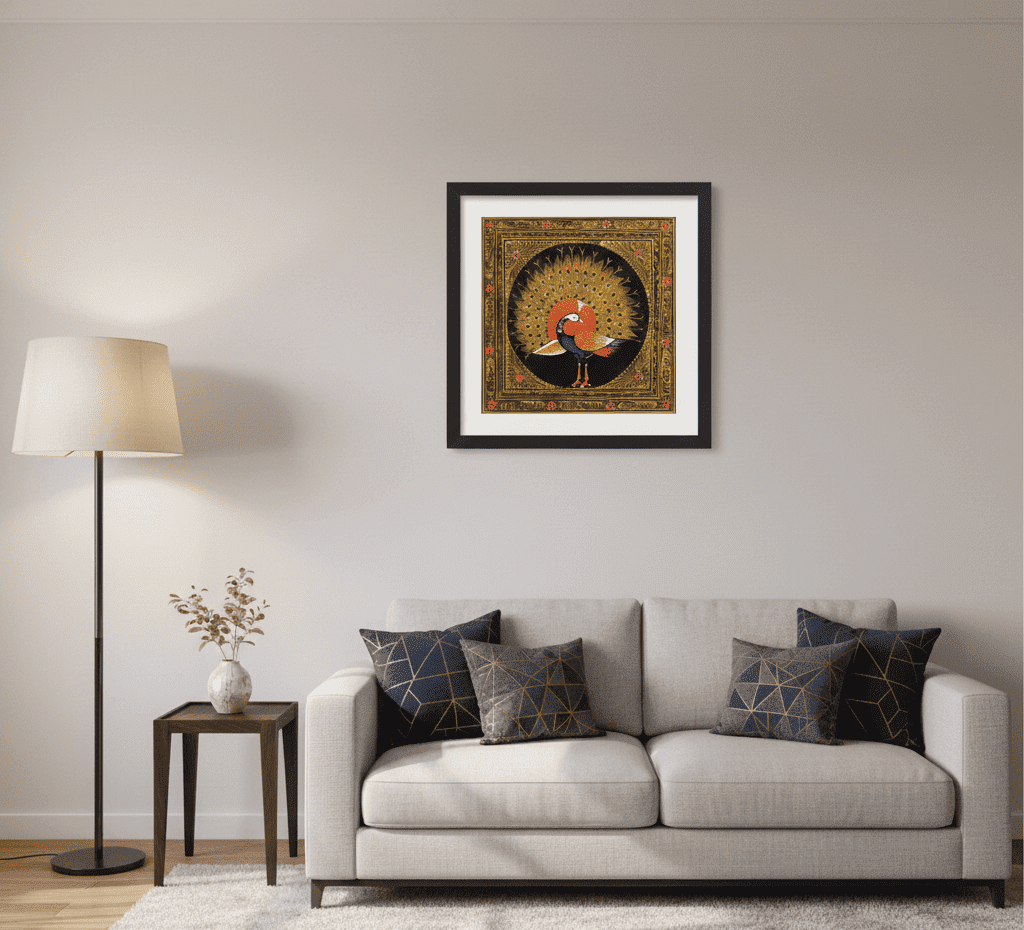
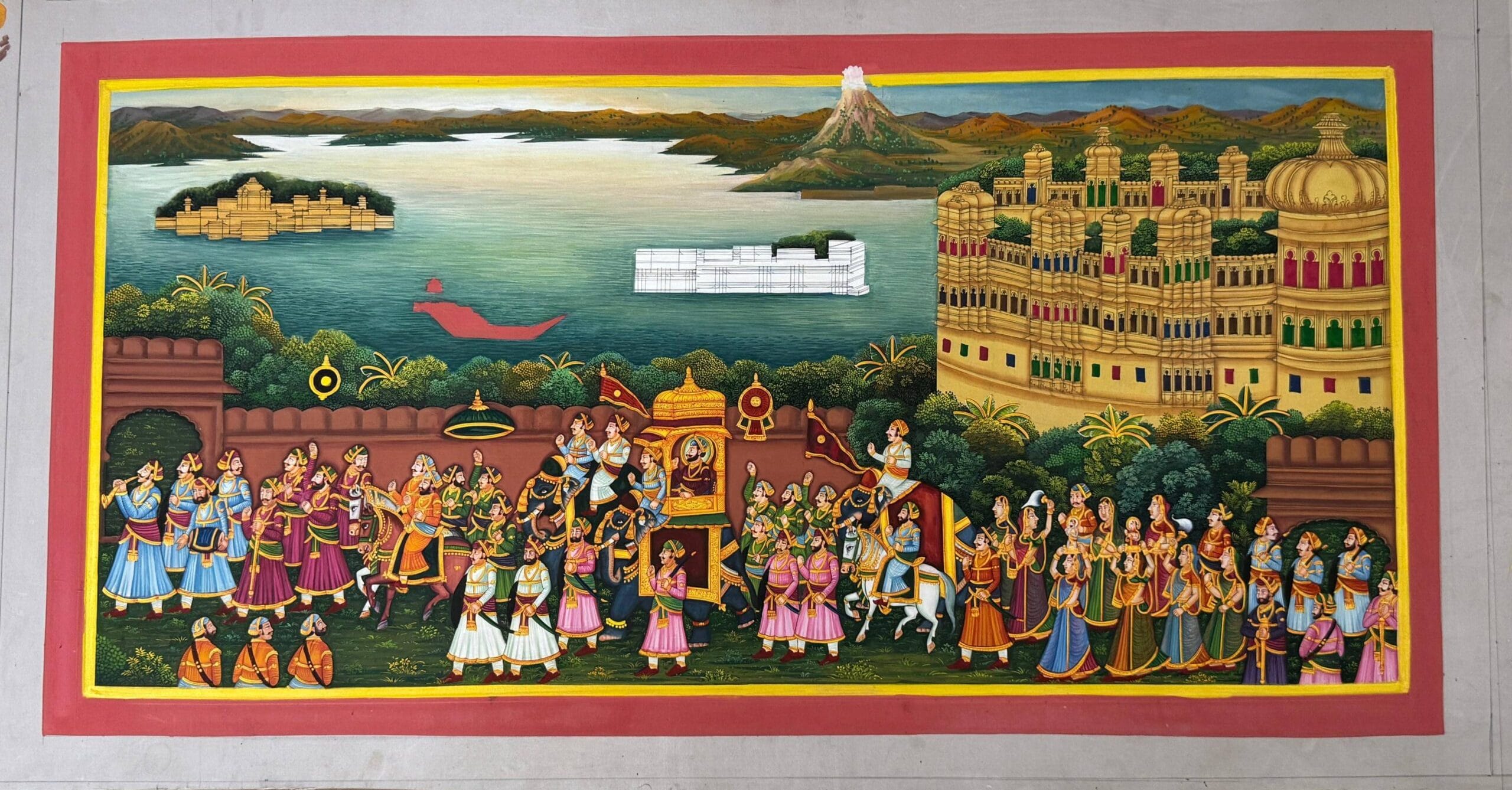
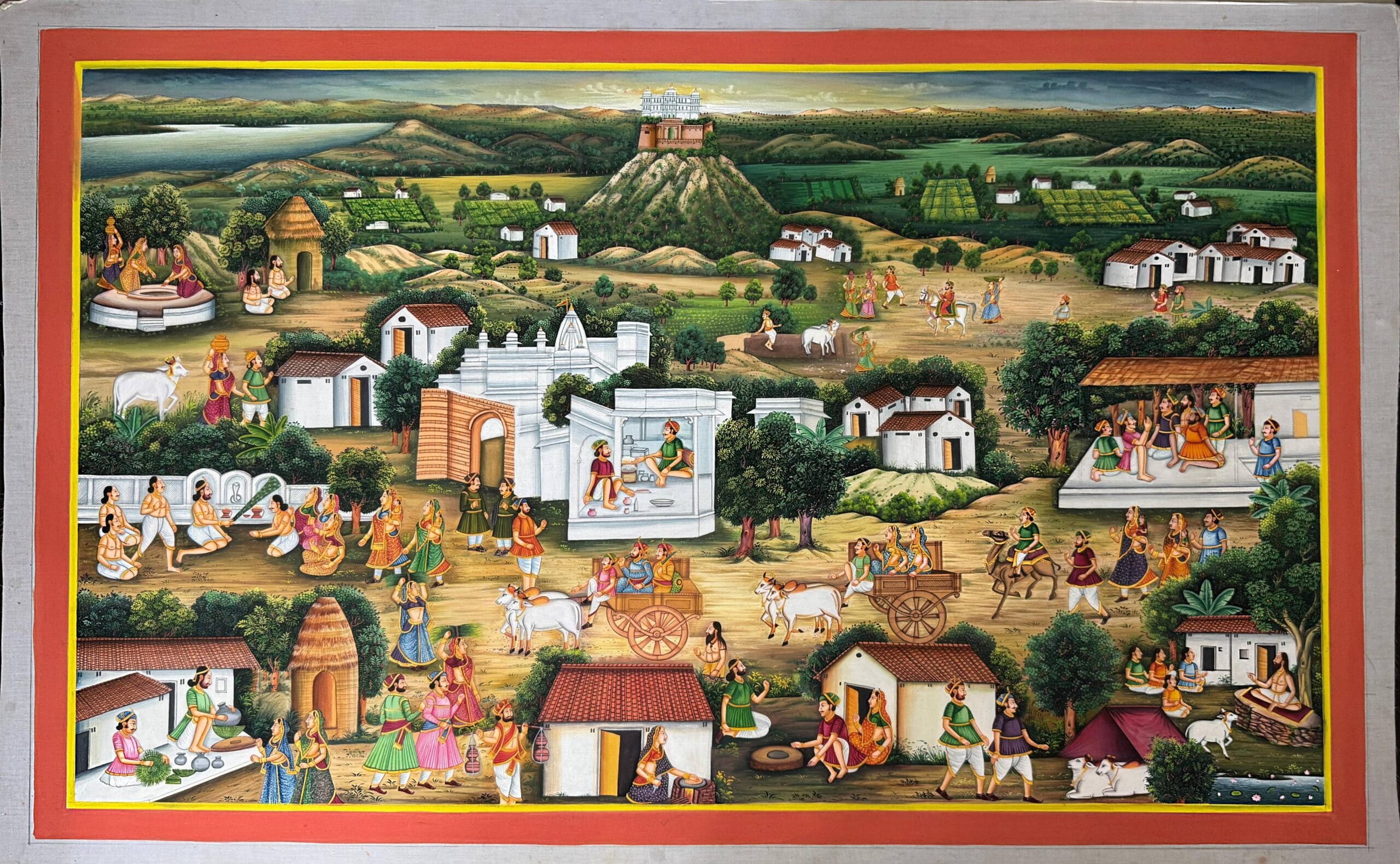
Unlike larger murals, miniature art focuses on ultra-fine detailing—expressions, jewelry, fabrics, architecture—all rendered with utmost precision. These paintings often captured scenes from royal life, mythological stories, and sacred epics, making them both artistic and historical records.
Rajasthan’s Miniature Painting tradition remains one of the most disciplined art forms in India, celebrated for its refined craftsmanship and symbolic beauty.
One of the most fascinating aspects of Miniature Painting is the use of natural pigments and traditional tools. Artisans prepare colors from crushed stones, flowers, minerals, gold, and silver.
At Rupasya, these traditional processes are preserved with great care, keeping the essence of authentic miniature artwork alive.
Shrinathji, Radha Krishna and other deities portrayed with elegance and spiritual depth.
Each theme reflects the region’s cultural identity and devotion, making the artworks deeply meaningful.
Creating a true miniature painting requires immense patience and skill. The process may span weeks or even months depending on the size and level of detail.
The mastery lies in the discipline to maintain precision even at the smallest scale, making each piece a timeless collectible.
Despite modern influences, Rajasthani Miniature Painting continues to thrive. Collectors, art lovers, and designers value its refinement and cultural depth. However, artisans face the challenge of keeping traditional practices alive in an era of digital art and mass production.
Brands like Rupasya support artisans by promoting authentic handmade miniature works, ensuring that this heritage remains vibrant and appreciated worldwide.
Conclusion
Rajasthani Miniature Paintings embody a perfect blend of history, devotion, and extraordinary craftsmanship. Every artwork tells a story—of kings, deities, nature, or love—captured through disciplined brushwork and centuries-old methods.
At Rupasya, we honor this tradition by offering handcrafted miniature paintings created with genuine passion and cultural integrity. To explore these pieces is to step into a world where every line and color carries the legacy of Rajasthan.