History & Origins of Gold Leaf Pichwai Art: A Divine Tradition

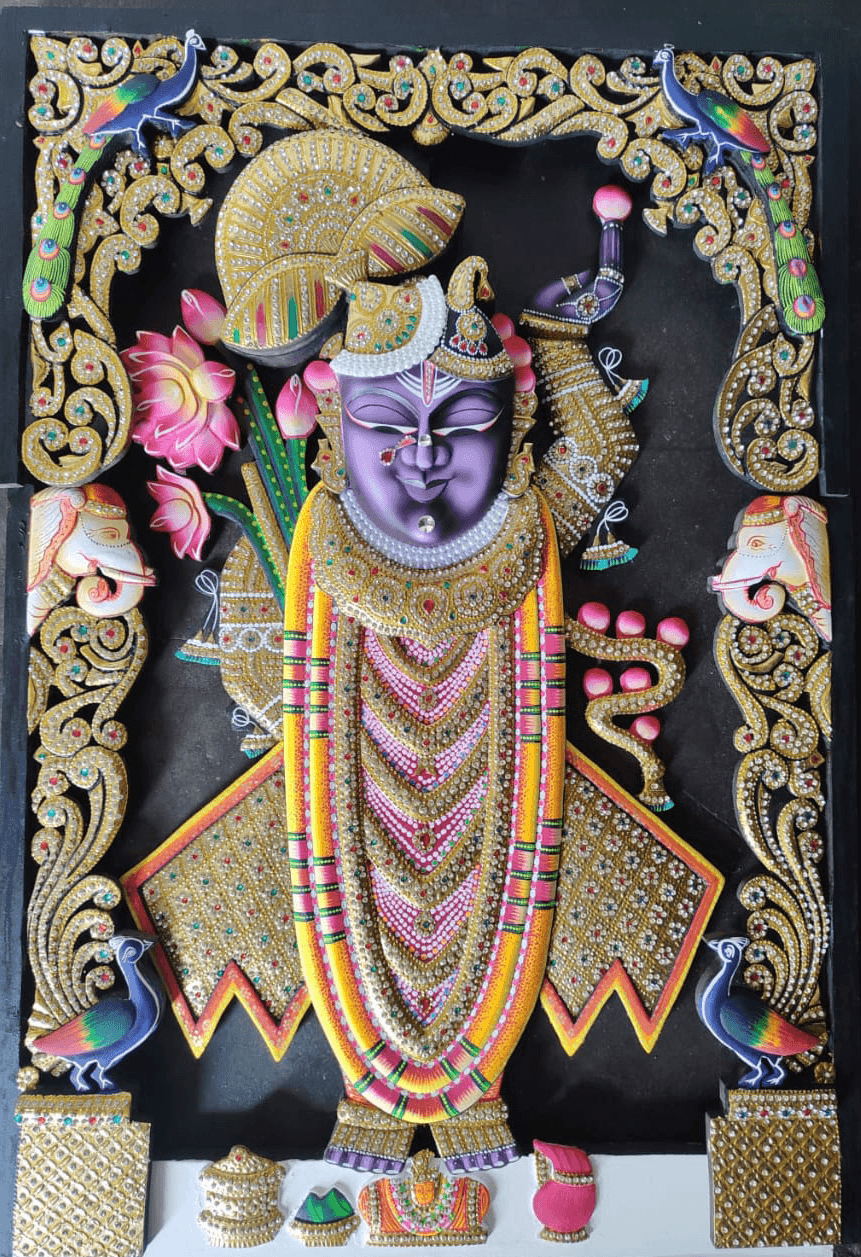
Gold Leaf Pichwai painting depicting Lord Shrinathji with intricate detailing
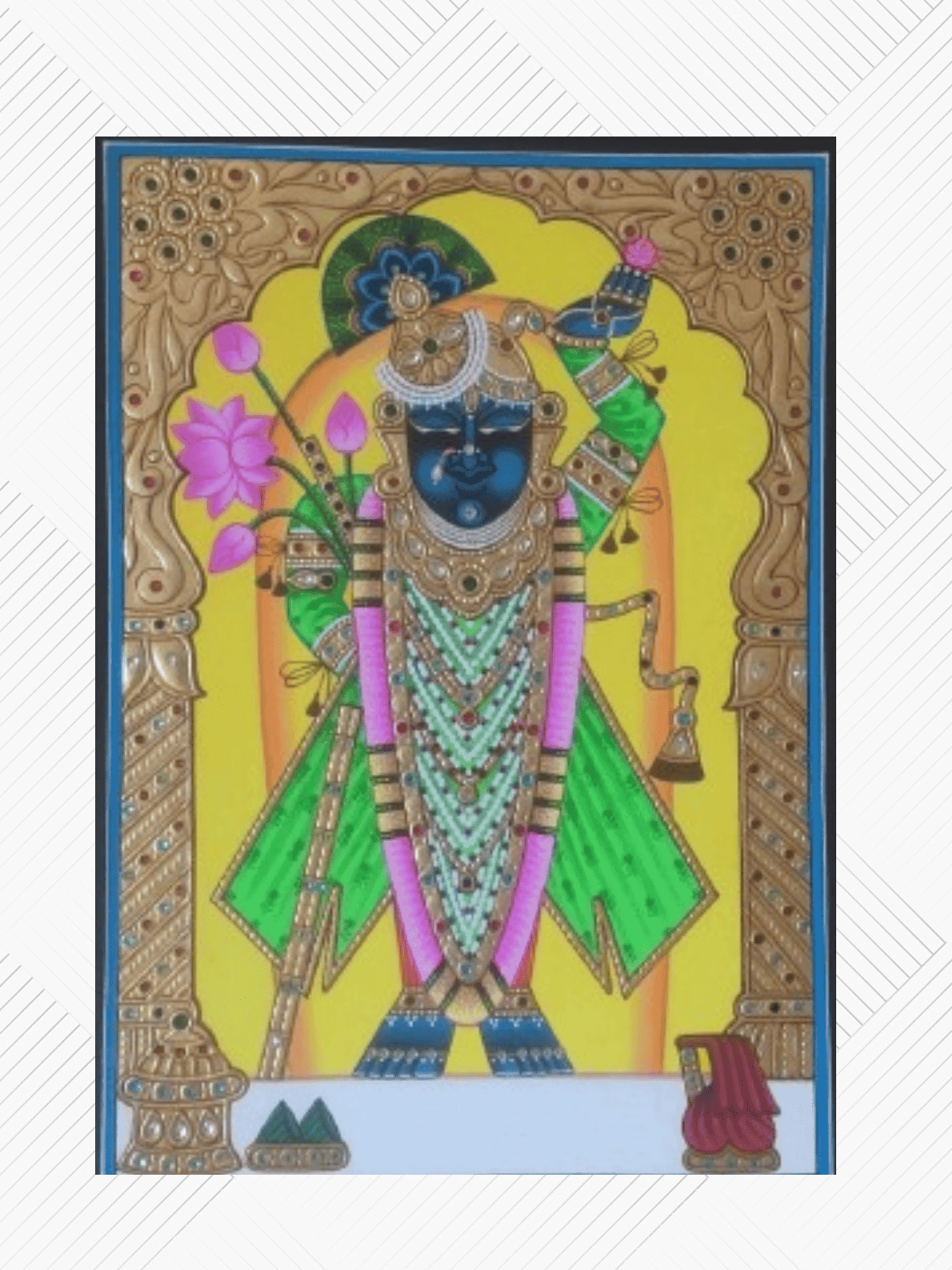
Pichwai art is one of the most celebrated traditional art forms of India, originating from Nathdwara in Rajasthan. Known for its intricate details, vibrant colors, and deep spiritual connection, Pichwai paintings often depict the life of Lord Krishna, particularly in the form of Shrinathji. Among the many styles within this tradition, Gold Leaf Pichwai art holds a special place because of its richness, grandeur, and cultural heritage.
In This Article:
What is Pichwai Art?
Pichwai paintings are devotional artworks traditionally created on cloth or paper. The word "Pichwai" comes from two Sanskrit words – Pichh meaning "back" and wai meaning "hanging." These artworks were originally made as backdrop hangings behind the idol of Lord Shrinathji in temples. Over time, the paintings became more detailed and began to represent stories, festivals, and rituals associated with Krishna.
Pichwai art is not just visual beauty; it is a storytelling medium. Every stroke, motif, and design has a spiritual meaning. For centuries, these paintings were created by skilled artisans who dedicated their lives to preserving this tradition.
Origins of Pichwai Art in Nathdwara
The origins of Pichwai art date back to the 17th century when Shrinathji, a form of Lord Krishna, was brought to Nathdwara from Govardhan (near Mathura) to protect the idol from Mughal invasions. Nathdwara soon became a major spiritual and cultural hub, and artists began creating paintings that reflected the rituals and celebrations in the temple.
Pichwai artists developed unique techniques using natural colors, brushes made from squirrel hair, and handmade cloth as the canvas. These paintings were not mere decorations; they became a part of the temple rituals and festivals, changing with the seasons and occasions.
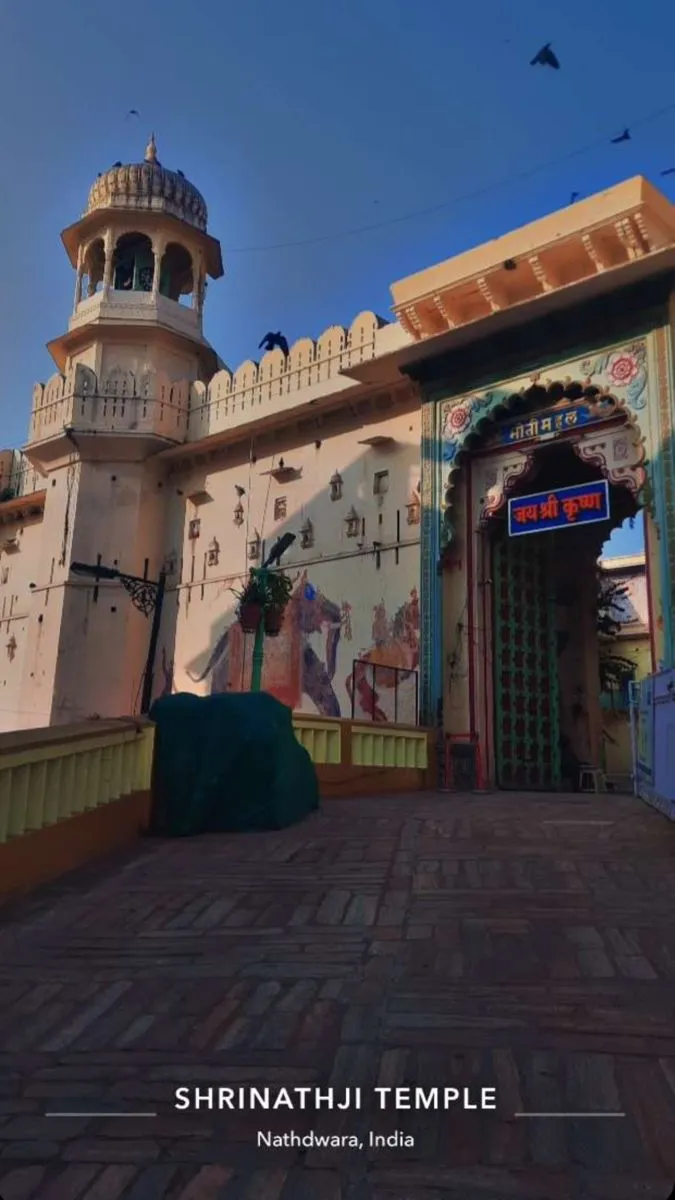
The Nathdwara Temple in Rajasthan, where Pichwai art originated
Introduction of Gold Leaf in Pichwai Art
While traditional Pichwai art used natural dyes and mineral pigments, the introduction of gold leaf brought a new dimension of opulence. Gold leaf refers to thin sheets of gold applied carefully on paintings to highlight certain elements like ornaments, attire, divine symbols, and backgrounds.
The use of gold leaf began during the late Mughal and Rajput eras when royal courts patronized Pichwai painters. The shimmering gold not only enhanced the visual appeal but also symbolized divinity and prosperity. Gold Leaf Pichwai paintings became a mark of devotion as well as luxury, making them highly valued across India.
Themes and Symbolism in Gold Leaf Pichwai
Gold Leaf Pichwai paintings usually depict Lord Krishna as Shrinathji in different moods and seasons. Some common themes include:
Shrinathji with Cows
Representing Krishna as a divine cowherd, often surrounded by detailed nature scenes.
Festival Celebrations
Showing rituals and celebrations at Nathdwara during Janmashtami and Annakut.
Seasonal Depictions
Depicting monsoon, summer, and winter themes with detailed nature elements.
Lotus Motifs
Symbolizing purity and divine energy through intricate floral patterns.
The addition of gold leaf highlights Krishna's ornaments, crowns, and jewelry, making the divine figure glow with radiance. It also reflects the belief that devotion should be expressed in the most beautiful and grand way possible.
The Craftsmanship Behind Gold Leaf Pichwai
Creating a Gold Leaf Pichwai requires extraordinary skill. The process involves multiple steps:
1. Preparing the Base
Artists prepare a handmade cloth with a mixture of natural glue and chalk to create a smooth surface.
2. Sketching the Design
Intricate outlines of Krishna and surrounding motifs are drawn with precision.
3. Applying Natural Colors
Traditionally, colors are made from natural sources like minerals, stones, and vegetables.
4. Gold Leaf Application
Thin sheets of gold are delicately placed on specific parts of the painting.
5. Final Detailing
Artists add the last layer of intricate designs, ensuring every stroke is filled with devotion.
This process can take weeks or even months, depending on the complexity of the painting.

Skilled artisan applying gold leaf to a Pichwai painting
Cultural and Spiritual Importance
Gold Leaf Pichwai art is not just an artistic creation; it is deeply tied to spiritual practices. For devotees, these paintings are a way to connect with Krishna's divine presence. The glowing effect of gold reflects the belief in Krishna as the supreme light and energy in the universe.
Even today, Nathdwara remains the heart of Pichwai art, where artisans continue to keep the tradition alive. Families of artists have been passing down these skills for generations, ensuring that the cultural essence remains intact.
Global Recognition of Gold Leaf Pichwai
Over the years, Gold Leaf Pichwai art has gained recognition beyond India. Collectors, museums, and art lovers across the world admire these paintings for their rich history and intricate craftsmanship. They are seen not just as devotional art but also as masterpieces of heritage.
With the rising interest in traditional Indian art, Gold Leaf Pichwai is now being displayed in exhibitions, art fairs, and cultural platforms worldwide. Its global appreciation highlights India's contribution to fine arts and spirituality.
Explore Gold Leaf Pichwai Artworks
Discover our collection of authentic handmade Gold Leaf Pichwai paintings, created by skilled artisans from Nathdwara.